WELCOME TO SHANDONG ANSHECL MACHINERY CO.,LTD OFFICIAL WEBSITE!


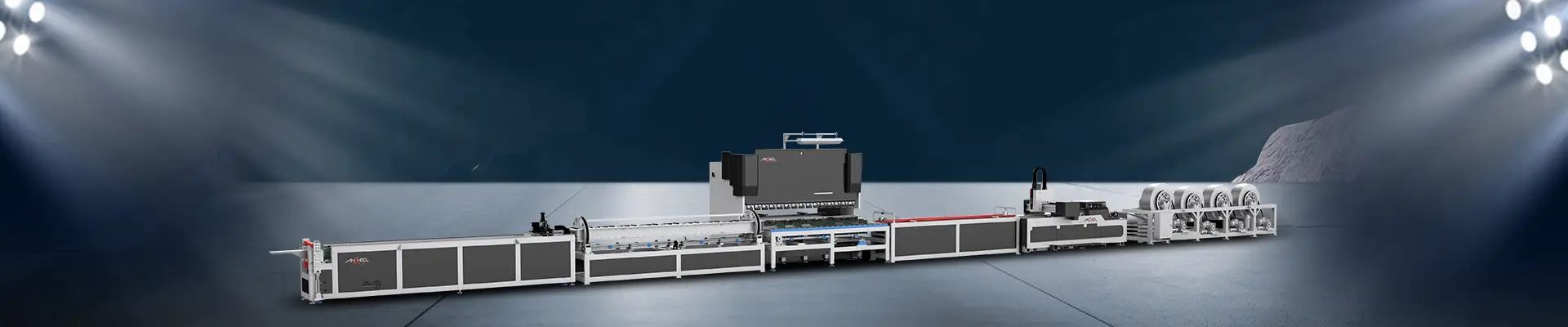

Understanding TDF Duct Machines: The Key to Efficient Manufacturing Processes
TDF duct machines are specialized equipment designed for the production of ductwork that utilizes the TDF (Trombone Flange Design) method. This method is widely recognized for its efficacy in creating ventilation ducts with precision and ease. These machines are essential in the HVAC (heating, ventilation, and air conditioning) sector, where the demand for efficient airflow systems is paramount.
One of the primary advantages of TDF duct machines is their ability to produce ductwork with a uniform and robust design. The TDF flanging process allows for the creation of edges that can be easily connected without the need for additional fasteners, which not only simplifies installation but also enhances the overall integrity of the ductwork. This feature significantly reduces the time and labor costs associated with duct installation, making it an attractive option for manufacturers and contractors alike.
Moreover, TDF duct machines are equipped with advanced technology that ensures high levels of accuracy in the fabrication process. This precision in manufacturing minimizes waste and optimizes material usage, contributing to more sustainable production practices. In an industry where efficiency is key, the ability to produce high-quality ductwork with minimal scrap material is a considerable advantage.
In addition to their efficiency, TDF duct machines also offer versatility. They can be configured to handle a variety of materials, including galvanized steel, aluminum, and stainless steel. This adaptability enables manufacturers to meet diverse customer requirements and respond to changing market demands effectively.
The integration of automation in TDF duct machines has also revolutionized the manufacturing process. Many modern machines feature programmable controls and software that streamline operations, allowing for quick adjustments to specifications and reducing the lead time for production. This automation not only enhances productivity but also ensures consistency in the quality of the finished products.
In summary, TDF duct machines are a vital component in the manufacturing of ductwork, offering numerous benefits, including efficiency, precision, and versatility. As the demand for high-quality HVAC systems continues to grow, the role of TDF duct machines in the manufacturing process becomes increasingly significant. By understanding the capabilities and advantages of these machines, industry professionals can make informed decisions that enhance their production processes and meet the evolving needs of their customers.
