WELCOME TO SHANDONG ANSHECL MACHINERY CO.,LTD OFFICIAL WEBSITE!


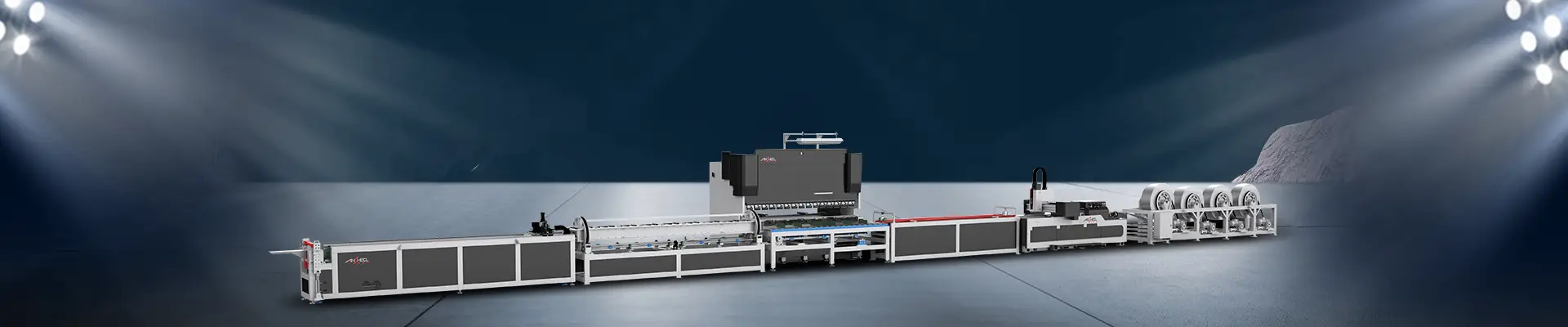

Essential Features to Consider When Choosing a TDF Flange Forming Machine
Essential Features to Consider When Choosing a TDF Flange Forming Machine
When it comes to precision in manufacturing, particularly in the HVAC industry, the **TDF flange forming machine** plays a pivotal role. This equipment is essential for creating flanges that ensure a proper seal and secure connections in ductwork. As the demand for high-quality ventilation systems continues to rise, understanding the critical features of TDF flange forming machines is more important than ever. In this article, we will explore the top features to consider when choosing the right TDF flange forming machine for your needs.
Table of Contents
1. Understanding the Basics of TDF Flange Forming Machines
2. Key Features to Look For
2.1 Build Quality and Durability
2.2 Precision and Accuracy
2.3 Ease of Use and Automation
2.4 Speed and Efficiency
2.5 Cost-Effectiveness
2.6 Maintenance and Support
3. Innovations in TDF Flange Forming Technology
4. Comparing Different Models
5. Frequently Asked Questions (FAQs)
6. Conclusion
1. Understanding the Basics of TDF Flange Forming Machines
A TDF (Total Duct Flange) flange forming machine is specialized equipment designed to create standardized flanges for ductwork. These machines are essential in HVAC (Heating, Ventilation, and Air Conditioning) systems, as they ensure that duct components fit together securely. The flanging process involves bending the edges of sheet metal to create a flange, which allows for easy connection between duct sections. With advancements in technology, these machines have evolved significantly, offering various features that enhance their performance and output.
2. Key Features to Look For
Choosing the right TDF flange forming machine requires careful consideration of several features that impact performance, quality, and overall efficiency. Here are the key features to look for:
2.1 Build Quality and Durability
The **build quality** of a TDF flange forming machine is crucial for long-term performance. Machines constructed from high-quality materials, such as heavy-duty steel, tend to withstand the rigors of daily operations better than those made from lighter materials. A sturdy machine not only ensures consistent performance but also minimizes downtime due to repairs. Look for machines with a robust frame and components that can handle heavy workloads.
2.2 Precision and Accuracy
In manufacturing, precision is non-negotiable. A **TDF flange forming machine** must deliver accurate results consistently. Features that enhance precision include advanced control systems, such as numerical control (NC) or computer numerical control (CNC), which allow for exact adjustments to the forming process. Additionally, incorporating laser measurement technology can further improve the accuracy of the flanges produced, ensuring perfect fits every time.
2.3 Ease of Use and Automation
As manufacturing processes become more complex, the need for user-friendly equipment has grown. Look for TDF flange forming machines with **intuitive controls** and interfaces that simplify operation. Automatic features, such as automated feeding systems and programmable settings, can significantly reduce the learning curve and improve productivity. A machine that is easy to operate not only saves time but also minimizes the risk of operator error.
2.4 Speed and Efficiency
When selecting a TDF flange forming machine, consider its **operational speed**. Faster machines can produce more flanges in less time, which is vital for meeting production deadlines. However, speed should not compromise quality; hence, it's essential to find a balance between speed and the quality of the output. Features such as high-speed motors and optimized forming processes can enhance efficiency without sacrificing accuracy.
2.5 Cost-Effectiveness
Investing in a TDF flange forming machine is a significant decision for any manufacturing business. Therefore, evaluating the **cost-effectiveness** of the equipment is paramount. Look for machines that offer a good balance between initial cost and long-term operational efficiency. Consider factors such as energy consumption, maintenance requirements, and the availability of replacement parts. A slightly higher upfront cost may lead to lower operational costs over time.
2.6 Maintenance and Support
Regular maintenance is essential for preserving the functionality of any machinery. When choosing a TDF flange forming machine, consider the manufacturer's support and availability of replacement parts. Machines that are easy to maintain and come with comprehensive warranties or service agreements can save you time and money. Look for companies that provide strong customer support to assist with any operational issues.
3. Innovations in TDF Flange Forming Technology
The world of manufacturing is constantly evolving, and TDF flange forming machines are no exception. Innovations in this field include advanced automation features that enhance productivity and reduce labor costs. For instance, some modern machines may incorporate robotic arms for loading and unloading materials, thereby streamlining the workflow.
Additionally, advancements in software have led to the development of sophisticated programming solutions that facilitate complex designs and custom orders. Features such as real-time monitoring, data analytics, and remote operation capabilities further increase the efficiency and effectiveness of TDF flange forming machines.
4. Comparing Different Models
When shopping for a TDF flange forming machine, it's crucial to compare various models and their respective features. Below are some points to consider when making your comparison:
- **Specifications**: Assess the specifications of each model, such as maximum sheet thickness, flange width, and forming speed.
- **Brand Reputation**: Choose models from reputable manufacturers known for their quality and reliability.
- **Reviews and Testimonials**: Research customer reviews and testimonials to gauge the performance and satisfaction levels associated with each model.
- **Warranty and Support Services**: Compare the warranty and post-sales support services offered by different manufacturers.
By taking the time to compare different models, you can make a more informed purchasing decision that meets your specific needs.
5. Frequently Asked Questions (FAQs)
What is a TDF flange forming machine used for?
A TDF flange forming machine is used to create standardized flanges for ductwork in HVAC systems, ensuring secure connections between duct sections.
How does a TDF flange forming machine work?
The machine operates by bending the edges of sheet metal to create a flange, using either manual or automated processes.
What are the advantages of using a CNC TDF flange forming machine?
CNC machines offer greater precision, repeatability, and efficiency, allowing for complex designs and high-volume production.
How can I maintain my TDF flange forming machine?
Regular maintenance includes cleaning, lubrication, checking for wear and tear, and ensuring all components are functioning properly.
What features should I prioritize when selecting a TDF flange forming machine?
Focus on build quality, precision, ease of use, operational speed, cost-effectiveness, and maintenance support.
6. Conclusion
Selecting the right TDF flange forming machine is a crucial decision that can significantly impact your manufacturing operations. By considering the key features outlined in this article, such as build quality, precision, automation, and cost-effectiveness, you can make an informed choice that meets your specific needs. As technology continues to advance, staying updated on innovations in TDF flange forming machines will allow your business to remain competitive in the ever-evolving manufacturing landscape. Investing time in understanding these factors will pay off in improved efficiency, output, and ultimately, satisfaction in your manufacturing processes.
