WELCOME TO SHANDONG ANSHECL MACHINERY CO.,LTD OFFICIAL WEBSITE!


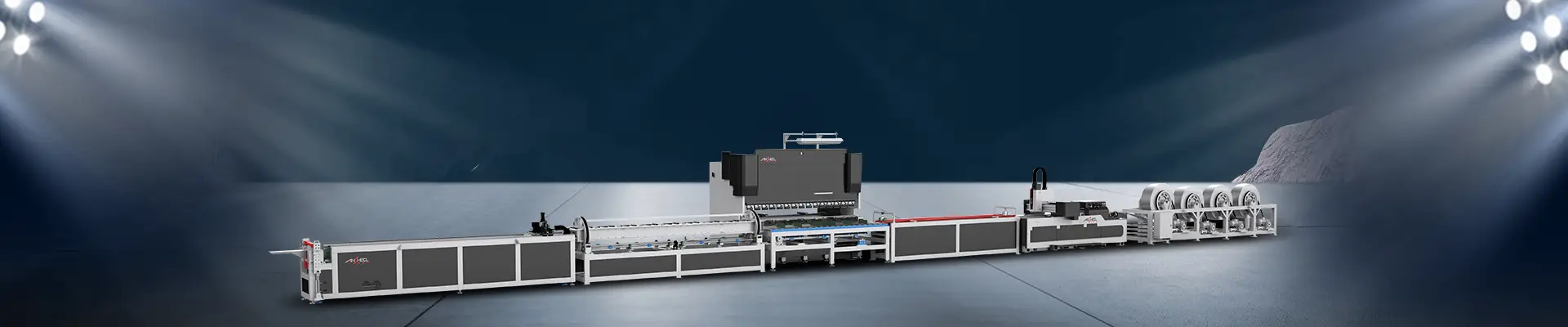

The Power and Precision of Electro-Hydraulic Servo Bending Machines
Electro-Hydraulic Servo Bending Machines have become a cornerstone in the manufacturing and processing machinery sector, particularly for those seeking to achieve high levels of precision in metal forming. These machines employ advanced technology that integrates electrical and hydraulic systems, providing operators with unparalleled control over the bending process.
At the heart of an Electro-Hydraulic Servo Bending Machine is its servo motor, which precisely controls the hydraulic system. This allows for exact positioning and speed adjustments, ensuring that each bend is executed with the highest accuracy. Unlike traditional bending machines that rely heavily on mechanical linkages, the electro-hydraulic design offers more flexibility and adaptability to various production requirements. This precision is crucial in industries where specifications are tight, such as aerospace, automotive, and construction.
Another significant advantage of these machines is their energy efficiency. The servo motors consume power only when necessary, reducing energy waste and operational costs. This efficiency not only contributes to lower running costs but also aligns with the growing trend towards sustainable manufacturing practices. As companies increasingly focus on reducing their carbon footprint, the adoption of energy-efficient machinery becomes essential.
Moreover, Electro-Hydraulic Servo Bending Machines are designed with user-friendly interfaces, making them accessible to operators with varying skill levels. Advanced control systems often feature touch screens and programmable settings, allowing for quick adjustments and easy monitoring of the bending process. This usability enhances productivity, as operators can quickly switch between different bending tasks without extensive downtime.
The capacity for customization is another notable feature of Electro-Hydraulic Servo Bending Machines. They can be tailored to accommodate a wide range of materials, including various grades of steel and aluminum. This versatility makes them ideal for manufacturers who need a single machine to handle diverse projects, from simple bends to complex shapes.
Furthermore, these machines contribute to improved quality control. The ability to program precise angles and measurements minimizes the risk of human error, leading to higher-quality products. Consistency in production is vital for manufacturers aiming to meet rigorous industry standards, and electro-hydraulic systems provide the reliability needed to achieve this.
In conclusion, Electro-Hydraulic Servo Bending Machines represent a significant advancement in manufacturing technology. Their precision, energy efficiency, user-friendliness, and customization capabilities make them an attractive choice for businesses looking to enhance their production processes. As the manufacturing landscape continues to evolve, investing in such innovative machinery can pave the way for increased competitiveness and success in the industry.
At the heart of an Electro-Hydraulic Servo Bending Machine is its servo motor, which precisely controls the hydraulic system. This allows for exact positioning and speed adjustments, ensuring that each bend is executed with the highest accuracy. Unlike traditional bending machines that rely heavily on mechanical linkages, the electro-hydraulic design offers more flexibility and adaptability to various production requirements. This precision is crucial in industries where specifications are tight, such as aerospace, automotive, and construction.
Another significant advantage of these machines is their energy efficiency. The servo motors consume power only when necessary, reducing energy waste and operational costs. This efficiency not only contributes to lower running costs but also aligns with the growing trend towards sustainable manufacturing practices. As companies increasingly focus on reducing their carbon footprint, the adoption of energy-efficient machinery becomes essential.
Moreover, Electro-Hydraulic Servo Bending Machines are designed with user-friendly interfaces, making them accessible to operators with varying skill levels. Advanced control systems often feature touch screens and programmable settings, allowing for quick adjustments and easy monitoring of the bending process. This usability enhances productivity, as operators can quickly switch between different bending tasks without extensive downtime.
The capacity for customization is another notable feature of Electro-Hydraulic Servo Bending Machines. They can be tailored to accommodate a wide range of materials, including various grades of steel and aluminum. This versatility makes them ideal for manufacturers who need a single machine to handle diverse projects, from simple bends to complex shapes.
Furthermore, these machines contribute to improved quality control. The ability to program precise angles and measurements minimizes the risk of human error, leading to higher-quality products. Consistency in production is vital for manufacturers aiming to meet rigorous industry standards, and electro-hydraulic systems provide the reliability needed to achieve this.
In conclusion, Electro-Hydraulic Servo Bending Machines represent a significant advancement in manufacturing technology. Their precision, energy efficiency, user-friendliness, and customization capabilities make them an attractive choice for businesses looking to enhance their production processes. As the manufacturing landscape continues to evolve, investing in such innovative machinery can pave the way for increased competitiveness and success in the industry.
