WELCOME TO SHANDONG ANSHECL MACHINERY CO.,LTD OFFICIAL WEBSITE!


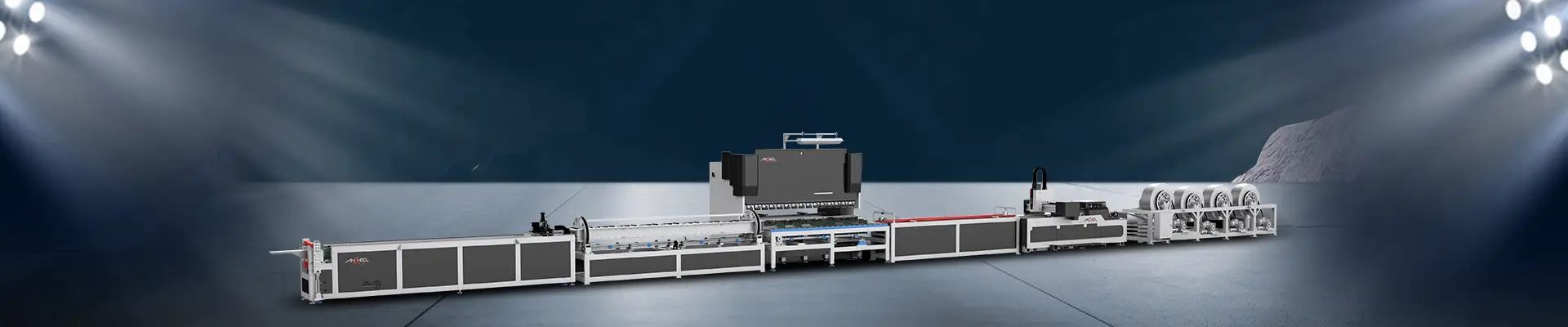

Exploring the Versatility and Specifications of Steel Plate Air Duct Pneumatic Folding Machines
Steel Plate Air Duct Pneumatic Folding Machines are indispensable tools in the metal fabrication industry, particularly for producing air ducts and other sheet metal components. These machines utilize pneumatic technology to fold steel plates with precision and speed, significantly enhancing productivity in various applications. This article will explore the different types of Steel Plate Air Duct Pneumatic Folding Machines, along with their specifications and capabilities.
One of the primary types of pneumatic folding machines is the hydraulic folding machine, which is designed for heavy-duty operations. These machines can handle thicker steel plates, making them suitable for industrial applications requiring robust construction. Common specifications include folding capacities ranging from 0.5 mm to 3 mm for mild steel, with working widths typically between 1 meter and 4 meters. The hydraulic system provides consistent force, ensuring accurate folds with minimal distortion.
Another popular type is the electric pneumatic folding machine, which offers a combination of electric and pneumatic systems for enhanced efficiency. These machines are ideal for lighter gauge materials and are known for their ease of use and faster setup times. Specifications often include folding capacities from 0.5 mm to 2 mm and widths that can extend from 1 meter to 3 meters. The electric component allows for precise control over the folding process, making it an excellent choice for detailed work.
The CNC (Computer Numerical Control) Steel Plate Air Duct Pneumatic Folding Machines are at the forefront of technological advancements in this field. These machines automate the folding process, allowing for intricate designs and consistent results. They are equipped with advanced software that enables operators to input specific folding angles and dimensions, thus minimizing human error. The typical specifications for CNC machines include a folding capacity of 0.5 mm to 6 mm, with widths that can reach up to 4 meters. The incorporation of CNC technology significantly increases manufacturing efficiency, making it a vital investment for companies looking to optimize production.
In addition to the types and specifications, it is important to consider the materials used in the construction of these machines. High-quality steel and durable components ensure longevity and reliability, making them a worthwhile investment for any fabrication shop.
In conclusion, Steel Plate Air Duct Pneumatic Folding Machines are pivotal in modern metal fabrication, offering a range of types and specifications to suit various needs. Whether opting for a hydraulic, electric, or CNC model, businesses can greatly enhance their efficiency and output quality. Investing in the right pneumatic folding machine can lead to significant improvements in production capabilities and overall profitability.
