WELCOME TO SHANDONG ANSHECL MACHINERY CO.,LTD OFFICIAL WEBSITE!


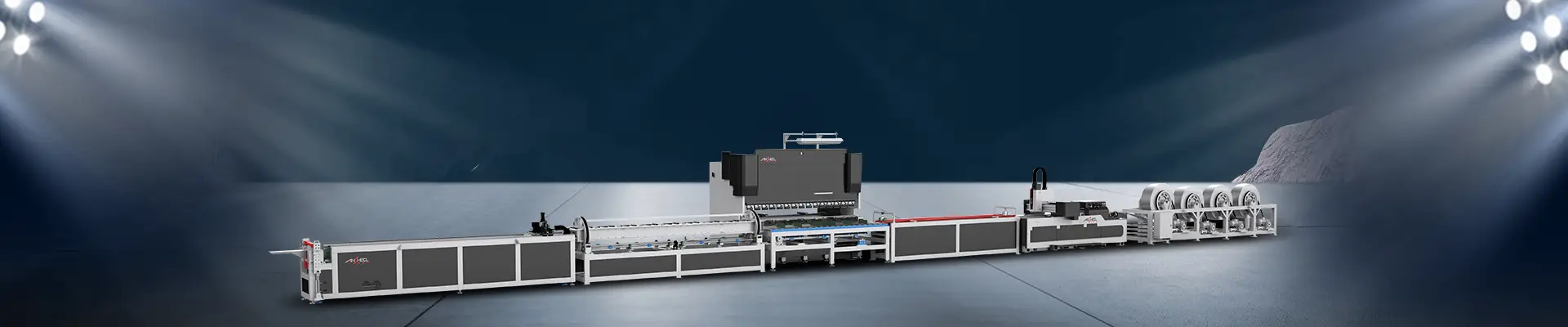

The Essential Role of TDF Duct Machines in Forming Technologies
The Essential Role of TDF Duct Machines in Forming Technologies
In the world of manufacturing and production, **formative technologies** play a crucial role, particularly in shaping materials for various applications. Among these technologies, **TDF duct machines** (Transverse Duct Flange) stand out for their efficiency and precision in forming ductwork. This article delves into the essential role TDF duct machines play in forming technologies, highlighting their functionality, advantages, and applications.
Table of Contents
1. Introduction to TDF Duct Machines
2. How TDF Duct Machines Work
3. Advantages of TDF Duct Machines in Manufacturing
3.1 Enhanced Precision and Consistency
3.2 Increased Production Efficiency
3.3 Versatility in Applications
4. Key Components of TDF Duct Machines
5. Applications of TDF Duct Machines in Various Industries
5.1 HVAC Systems
5.2 Automotive Industry
5.3 Construction Sector
6. Maintenance and Best Practices for TDF Duct Machines
7. Future Trends in TDF Duct Machinery
8. Frequently Asked Questions (FAQs)
9. Conclusion
1. Introduction to TDF Duct Machines
TDF duct machines are specialized equipment designed to create ductwork with **transverse duct flanges**. The design of these machines allows for the precise shaping of metal sheets into ducts, facilitating the efficient transportation of air and other gases. As the demand for efficient heating, ventilation, and air conditioning (HVAC) systems grows, TDF duct machines have become integral to **formative technologies**.
2. How TDF Duct Machines Work
The operation of TDF duct machines involves several key processes:
- **Material Loading**: Sheets of metal, typically galvanized steel, are loaded into the machine.
- **Forming Process**: The machine uses a series of rollers and dies to bend and shape the metal into the desired duct profile. This process often incorporates a **flanging mechanism** that creates a flange along the edge of the duct.
- **Cutting and Finishing**: Once the duct is formed, additional processes may involve cutting the ducts to size and finishing the edges to ensure smoothness and safety.
The automation of these processes significantly reduces labor costs and enhances overall production efficiency.
3. Advantages of TDF Duct Machines in Manufacturing
3.1 Enhanced Precision and Consistency
One of the primary advantages of TDF duct machines is their ability to produce **highly precise ducts** with consistent measurements. This precision is critical in applications where air flow and pressure are essential, such as in HVAC systems.
3.2 Increased Production Efficiency
TDF duct machines are built for speed. The automation of the forming process allows manufacturers to produce ductwork at a much faster rate compared to traditional manual methods. This increase in efficiency not only reduces production time but also lowers labor costs.
3.3 Versatility in Applications
TDF duct machines are versatile tools capable of producing a variety of duct shapes and sizes. This flexibility makes them suitable for various industries, from commercial HVAC installations to industrial applications, where custom ductwork is often necessary.
4. Key Components of TDF Duct Machines
Understanding the components of TDF duct machines is essential for optimizing their use. Key components include:
- **Rollers**: These are used to bend the metal sheets.
- **Dies**: Custom dies shape the metal into specific forms.
- **Flanging Tools**: These create the transverse flanges essential for proper fitting.
- **Control System**: Modern TDF duct machines often feature computerized controls for enhanced accuracy and ease of operation.
Each of these components plays a critical role in ensuring the machine operates efficiently and effectively.
5. Applications of TDF Duct Machines in Various Industries
TDF duct machines find applications across multiple industries. Some of the most common include:
5.1 HVAC Systems
In HVAC systems, TDF duct machines are used to create ducts that efficiently transport heated or cooled air throughout buildings. The precision of these machines ensures that the ducts fit perfectly, enhancing the overall system performance.
5.2 Automotive Industry
The automotive industry also utilizes TDF duct machines to fabricate various components, including exhaust systems and air intake ducts. The ability to form complex shapes is crucial in this sector, where both performance and efficiency are paramount.
5.3 Construction Sector
In construction, TDF duct machines are employed to produce custom ductwork for commercial and residential buildings. The demand for energy-efficient systems has made these machines indispensable in modern construction practices.
6. Maintenance and Best Practices for TDF Duct Machines
To ensure optimal performance, regular maintenance of TDF duct machines is crucial. Best practices include:
- **Routine Inspections**: Regularly checking for wear and tear on components helps prevent breakdowns.
- **Lubrication**: Keeping moving parts properly lubricated reduces friction and wear.
- **Calibrations**: Regularly calibrating the machine ensures it maintains its precision.
- **Operator Training**: Proper training for operators can significantly reduce errors and improve efficiency.
By following these best practices, manufacturers can extend the lifespan of their TDF duct machines and maintain high levels of productivity.
7. Future Trends in TDF Duct Machinery
As technology evolves, so do TDF duct machines. Future trends may include:
- **Smart Technology Integration**: Incorporating IoT devices for real-time monitoring and data analysis.
- **Increased Automation**: Further automation will likely improve efficiency and reduce errors in the duct formation process.
- **Sustainability Practices**: As industries shift towards sustainability, TDF duct machines may evolve to use recycled materials and produce less waste.
Staying ahead of these trends will position manufacturers to remain competitive in a rapidly changing market.
8. Frequently Asked Questions (FAQs)
1. What are TDF duct machines primarily used for?
TDF duct machines are primarily used to form metal sheets into ductwork with transverse flanges, commonly utilized in HVAC systems, automotive, and construction industries.
2. How do TDF duct machines improve production efficiency?
By automating the duct formation process, TDF duct machines significantly reduce production time and labor costs while ensuring precision.
3. What materials can be used with TDF duct machines?
Typically, TDF duct machines work best with galvanized steel, but they can also handle aluminum and other sheet metals depending on the machine specifications.
4. How often should TDF duct machines be maintained?
Routine maintenance should be conducted regularly, with inspections and calibrations ideally taking place monthly or as specified by the manufacturer.
5. What is the future of TDF duct machines?
The future of TDF duct machines includes advancements in smart technology, increased automation, and a focus on sustainability practices.
9. Conclusion
The role of TDF duct machines in forming technologies is indispensable in modern manufacturing. Their efficiency, precision, and versatility make them essential tools for producing high-quality ductwork across various industries. By understanding their functionality, advantages, and the importance of maintenance, manufacturers can leverage TDF duct machines to enhance productivity and meet the growing demands of the market. As technology continues to evolve, staying abreast of emerging trends will ensure that businesses remain competitive, innovative, and prepared for the future.
