WELCOME TO SHANDONG ANSHECL MACHINERY CO.,LTD OFFICIAL WEBSITE!


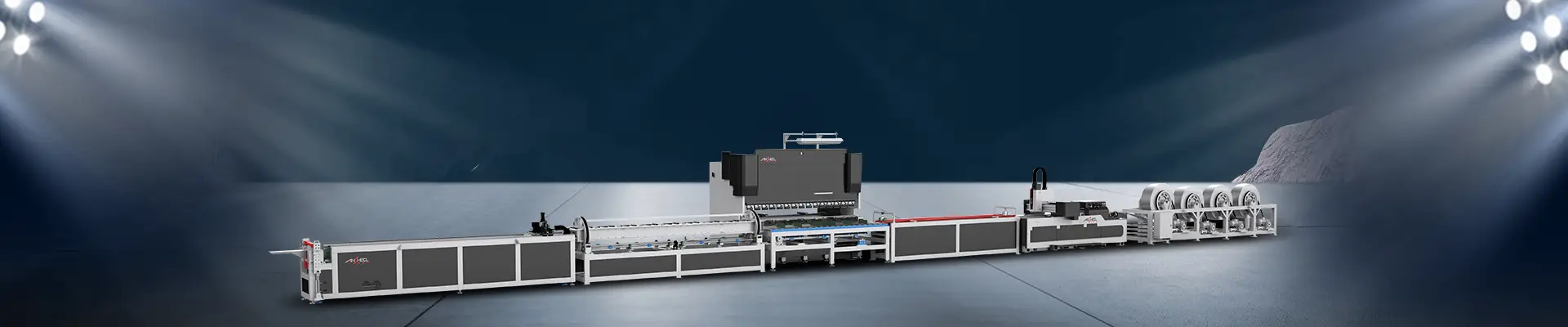

Exploring the Versatility of TDF Duct Machines in Manufacturing
In the realm of manufacturing and processing machinery, the TDF duct machine stands out as a vital tool, especially in the production of ductwork for HVAC systems. TDF, which stands for "Tangential Flange Duct," refers to a specific method of creating high-quality, precise duct components that are essential for effective air distribution in commercial and residential environments.
The primary function of a TDF duct machine is to streamline the production process of ductwork by automating the bending and forming of sheet metal into precise shapes. This not only accelerates production but also enhances the accuracy of the duct components. One of the key features of TDF duct machines is their ability to create consistent, repeatable results, which is crucial in maintaining the integrity of HVAC systems. This consistency helps reduce material waste and minimizes the chances of errors, resulting in cost savings over time.
Furthermore, TDF duct machines are designed for versatility. They can handle various metal thicknesses and widths, making them suitable for a wide range of applications. Whether you are producing rectangular, round, or square ducts, these machines can easily adapt to your production needs. This flexibility allows manufacturers to respond quickly to changing market demands, whether they require large quantities of standard ductwork or custom designs.
Another significant advantage of using TDF duct machines is the reduction of labor costs. With automation, the reliance on manual labor for bending and shaping metal is significantly decreased. Operators can oversee the machine's functioning, attend to quality checks, and perform maintenance, which frees them from repetitive tasks. This shift not only boosts productivity but also allows skilled workers to focus on more complex duties that require human intervention.
Moreover, TDF duct machines are equipped with advanced technology that enhances their efficiency. Features such as programmable controls and integration with CAD software can streamline design processes and enable real-time adjustments during production. This technological integration results in faster turnaround times and improved overall quality of the end products.
In conclusion, TDF duct machines play a crucial role in the manufacturing sector, particularly in the packaging machinery and forming machine industries. Their ability to streamline production, enhance accuracy, and reduce labor costs makes them an invaluable asset for any manufacturer looking to improve efficiency and quality in ductwork production. By investing in a TDF duct machine, companies can ensure they stay competitive in a rapidly evolving market.
The primary function of a TDF duct machine is to streamline the production process of ductwork by automating the bending and forming of sheet metal into precise shapes. This not only accelerates production but also enhances the accuracy of the duct components. One of the key features of TDF duct machines is their ability to create consistent, repeatable results, which is crucial in maintaining the integrity of HVAC systems. This consistency helps reduce material waste and minimizes the chances of errors, resulting in cost savings over time.
Furthermore, TDF duct machines are designed for versatility. They can handle various metal thicknesses and widths, making them suitable for a wide range of applications. Whether you are producing rectangular, round, or square ducts, these machines can easily adapt to your production needs. This flexibility allows manufacturers to respond quickly to changing market demands, whether they require large quantities of standard ductwork or custom designs.
Another significant advantage of using TDF duct machines is the reduction of labor costs. With automation, the reliance on manual labor for bending and shaping metal is significantly decreased. Operators can oversee the machine's functioning, attend to quality checks, and perform maintenance, which frees them from repetitive tasks. This shift not only boosts productivity but also allows skilled workers to focus on more complex duties that require human intervention.
Moreover, TDF duct machines are equipped with advanced technology that enhances their efficiency. Features such as programmable controls and integration with CAD software can streamline design processes and enable real-time adjustments during production. This technological integration results in faster turnaround times and improved overall quality of the end products.
In conclusion, TDF duct machines play a crucial role in the manufacturing sector, particularly in the packaging machinery and forming machine industries. Their ability to streamline production, enhance accuracy, and reduce labor costs makes them an invaluable asset for any manufacturer looking to improve efficiency and quality in ductwork production. By investing in a TDF duct machine, companies can ensure they stay competitive in a rapidly evolving market.
