WELCOME TO SHANDONG ANSHECL MACHINERY CO.,LTD OFFICIAL WEBSITE!


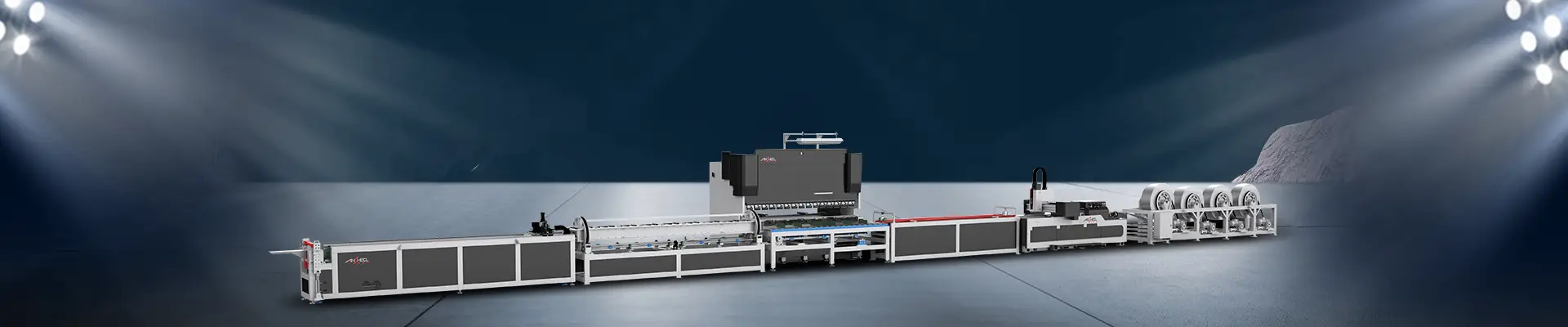

Unlock Precision: Why Fiber Laser Cutters Are Revolutionizing Industrial Cutting
Unlock Precision: Why Fiber Laser Cutters Are Revolutionizing Industrial Cutting
Table of Contents
- 1. Introduction to Fiber Laser Cutting Technology
- 2. Key Benefits of Fiber Laser Cutters
- 3. Applications of Fiber Laser Cutting in Industry
- 4. How Fiber Laser Cutters Work
- 5. Comparing Fiber Lasers to Traditional Cutting Methods
- 6. Choosing the Right Fiber Laser Cutter for Your Needs
- 7. The Future of Fiber Laser Technology in Industrial Cutting
- 8. Frequently Asked Questions (FAQs)
- 9. Conclusion
1. Introduction to Fiber Laser Cutting Technology
Fiber laser cutting technology has emerged as a game-changer in the manufacturing sector, especially in industrial cutting. By harnessing the power of fiber optics, this advanced technique offers **unmatched precision** and **speed**. Unlike traditional cutting methods, fiber laser cutters utilize a concentrated beam of light to melt, burn, or vaporize materials, providing sharper and cleaner cuts. This innovative technology is rapidly gaining popularity across various industries, and understanding its fundamental aspects is crucial for any business looking to optimize its cutting processes.
2. Key Benefits of Fiber Laser Cutters
Fiber laser cutters are revolutionizing the industrial cutting landscape thanks to their myriad benefits. Here are some key advantages that set them apart:
2.1 Enhanced Precision
With a focus on accuracy, fiber laser cutters can achieve tolerances as tight as ±0.01 mm. This level of precision ensures minimal material waste and superior quality of finished products.
2.2 Increased Speed
Fiber lasers operate at higher cutting speeds compared to traditional methods. This **increased efficiency** allows manufacturers to meet high-volume demands without compromising quality.
2.3 Cost-Effectiveness
While the initial investment in fiber laser technology may be significant, the long-term savings in operational costs, energy consumption, and maintenance make it a cost-effective solution for many businesses.
2.4 Versatility
Fiber laser cutters can work with a wide range of materials, including metals, plastics, and composites. This versatility makes them an ideal choice for diverse applications in various sectors.
2.5 Low Maintenance
Fiber laser systems typically require less maintenance compared to CO2 lasers or mechanical cutting methods. The solid-state design means fewer moving parts, reducing the risk of breakdowns and maintenance costs.
3. Applications of Fiber Laser Cutting in Industry
Fiber laser cutting technology finds applications across a multitude of industries, showcasing its adaptability and effectiveness. Here are some of the most common applications:
3.1 Automotive Industry
In the automotive sector, fiber laser cutters are utilized for intricate parts manufacturing, including chassis components and decorative elements. Their precision and speed enhance productivity on assembly lines.
3.2 Aerospace Manufacturing
For aerospace applications, where precision is paramount, fiber lasers play a crucial role in cutting complex shapes and components required for aircraft manufacturing.
3.3 Electronics and Electrical Engineering
Fiber laser technology is employed in the electronics industry for cutting circuit boards and other components, where accuracy is essential for functionality.
3.4 Metal Fabrication
Metal fabricators leverage fiber laser cutting for creating parts and assemblies with intricate designs, benefiting from the technology's ability to cut through thick materials.
3.5 Art and Design
Artists and designers use fiber laser cutters for creating customized designs and artwork, capitalizing on the technology's precision to bring their visions to life.
4. How Fiber Laser Cutters Work
Understanding the operational mechanics of fiber laser cutters is key to appreciating their advantages. Here's a breakdown of how they function:
4.1 Generation of Laser Beam
A fiber laser cutter generates a laser beam through a high-power fiber optic cable. The laser light is produced by exciting the atoms in a rare-earth element-doped fiber, creating a highly concentrated beam.
4.2 Focusing the Beam
The generated laser beam is then focused through a lens, which concentrates its energy onto a very small point. This focused beam is what allows for precise cutting.
4.3 Cutting Process
As the focused laser beam strikes the material, it melts, burns, or vaporizes it. The cutting process is often assisted by a gas, such as oxygen or nitrogen, which helps to clear away the molten material, resulting in clean edges.
4.4 Cooling Mechanism
To maintain optimal performance, fiber laser systems incorporate cooling mechanisms that prevent overheating, ensuring consistent operation over extended cutting periods.
5. Comparing Fiber Lasers to Traditional Cutting Methods
When considering a transition to fiber laser cutting, it’s essential to understand how it stacks up against traditional methods like CO2 lasers and mechanical cutting.
5.1 Speed and Efficiency
Fiber lasers typically operate at speeds that are up to 2-3 times faster than CO2 lasers, making them more efficient for high-volume production runs.
5.2 Operating Costs
While the initial cost of fiber laser cutters can be higher, their lower energy consumption and reduced maintenance needs lead to significantly lower operating costs over time.
5.3 Quality of Cuts
Fiber lasers produce cleaner cuts with less heat-affected zones compared to traditional methods, resulting in better surface finishes and less post-processing work.
5.4 Material Limitations
Traditional cutting methods may struggle with thicker materials or reflective metals, while fiber lasers excel in these areas due to their concentrated energy output.
6. Choosing the Right Fiber Laser Cutter for Your Needs
Selecting the appropriate fiber laser cutter is crucial for maximizing your investment. Here are some factors to consider:
6.1 Power Requirements
Evaluate the power output needed for your specific applications. Higher wattage typically equates to faster cutting speeds and the ability to work with thicker materials.
6.2 Cutting Speed
Different models offer varying cutting speeds. Consider how speed affects your production timeline and choose a cutter that aligns with your operational needs.
6.3 Work Area Size
The size of the work area will determine the dimensions of materials you can cut. Ensure the cutter you choose accommodates your largest materials.
6.4 Software Compatibility
Check if the fiber laser cutter is compatible with your existing software or if it comes with an integrated system that suits your operational workflow.
6.5 Support and Maintenance
Choose a manufacturer that provides excellent customer support and maintenance services to ensure your fiber laser cutter remains operational.
7. The Future of Fiber Laser Technology in Industrial Cutting
As technology evolves, so does the potential of fiber laser cutters. Advancements in artificial intelligence and machine learning are poised to further enhance their precision and efficiency. Additionally, innovations in materials and fiber laser design will likely lead to even more applications across various industries.
8. Frequently Asked Questions (FAQs)
8.1 What materials can be cut with a fiber laser cutter?
Fiber laser cutters can efficiently cut through metals, plastics, wood, and composites, making them highly versatile for various applications.
8.2 How much does a fiber laser cutter cost?
The price of fiber laser cutters can vary widely based on specifications and features, typically ranging from $30,000 to over $200,000.
8.3 Do fiber laser cutters require special ventilation?
Yes, proper ventilation is necessary to manage fumes and gases produced during the cutting process, ensuring a safe working environment.
8.4 How long do fiber laser cutters last?
With proper maintenance, fiber laser cutters can last over a decade, and their solid-state design contributes to their durability.
8.5 Are fiber laser cutters energy-efficient?
Yes, fiber laser cutters are known for their energy efficiency, consuming significantly less power than traditional CO2 lasers.
9. Conclusion
Fiber laser cutters are undeniably revolutionizing the industrial cutting landscape with their precision, speed, and versatility. As manufacturers continue to seek ways to enhance productivity and reduce costs, fiber laser technology will play a vital role in shaping the future of manufacturing. Embracing this advanced technology enables businesses to stay ahead of the competition, ensuring they meet the ever-evolving demands of their industries. The commitment to innovation and efficiency is what will ultimately unlock the full potential of fiber laser cutting in the years to come.
