WELCOME TO SHANDONG ANSHECL MACHINERY CO.,LTD OFFICIAL WEBSITE!


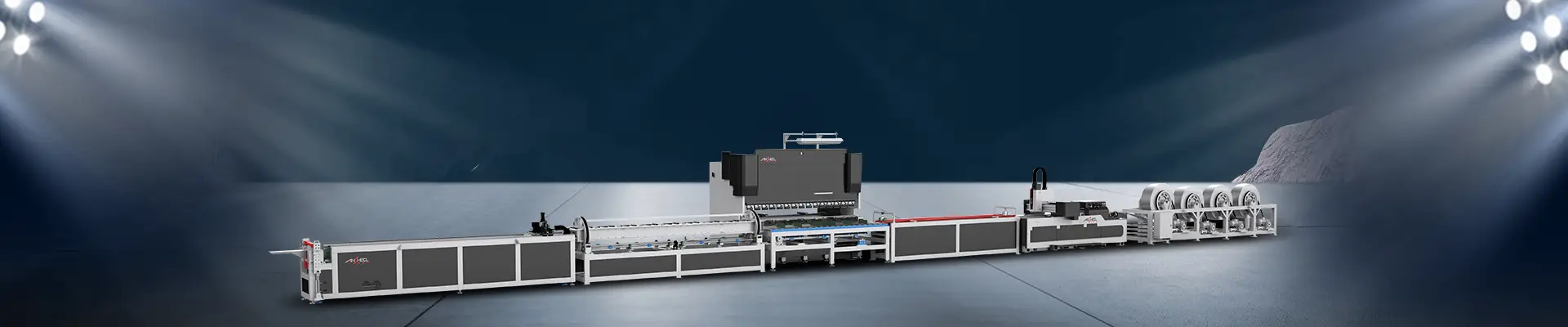

Exploring the Advantages of Fiber Laser Cutters in Modern Manufacturing
Exploring the Advantages of Fiber Laser Cutters in Modern Manufacturing
Table of Contents
1. Introduction to Fiber Laser Cutters
2. The Evolution of Laser Cutting Technology
3. Key Advantages of Fiber Laser Cutters
3.1. Superior Cutting Precision
3.2. Increased Speed and Efficiency
3.3. Cost-Effectiveness and Reduced Waste
3.4. Versatility Across Materials
3.5. Low Maintenance Requirements
4. Applications of Fiber Laser Cutting in Various Industries
5. Comparing Fiber Laser Cutters to Traditional Cutting Methods
6. Choosing the Right Fiber Laser Cutter for Your Needs
7. Future Trends in Fiber Laser Technology
8. Frequently Asked Questions (FAQs)
9. Conclusion
1. Introduction to Fiber Laser Cutters
Fiber laser cutters have emerged as a cornerstone technology in modern manufacturing, transforming how materials are processed. Unlike traditional laser cutting systems, fiber lasers utilize a solid-state laser medium that enhances cutting speed and quality. With their ability to cut through a variety of materials, including metals, plastics, and composites, fiber laser cutters are setting new standards for precision and efficiency.
2. The Evolution of Laser Cutting Technology
The journey of laser cutting technology began in the 1960s, but it has evolved significantly over the decades. Early laser cutters were bulky and limited in their applications. However, advancements in fiber laser technology have brought forth compact, powerful, and versatile machines. Today, fiber laser cutters are equipped with cutting-edge software and automation features that streamline operations and maximize productivity.
3. Key Advantages of Fiber Laser Cutters
3.1. Superior Cutting Precision
One of the most prominent advantages of fiber laser cutters is their **superior cutting precision**. The focused beam of light produced by fiber lasers allows for intricate designs and complex geometries to be cut with high accuracy. This precision minimizes the need for post-processing, saving both time and costs associated with additional finishing work.
3.2. Increased Speed and Efficiency
Fiber laser cutters operate at incredibly high speeds, drastically reducing the time required for cutting operations. This **increased speed** not only enhances workflow efficiency but also boosts overall production rates. Manufacturers can meet tight deadlines while maintaining high-quality outputs, making fiber lasers a popular choice in fast-paced environments.
3.3. Cost-Effectiveness and Reduced Waste
Utilizing fiber laser technology can lead to significant cost savings. The **cost-effectiveness** of fiber laser cutters stems from their lower energy consumption compared to traditional laser systems. Additionally, the precision of these machines results in less material waste, ensuring that manufacturers can optimize their resources and minimize expenses.
3.4. Versatility Across Materials
Fiber laser cutters showcase remarkable **versatility** in processing various materials. They can efficiently cut through metals like stainless steel, aluminum, and copper, as well as non-metal materials such as plastics and wood. This flexibility allows manufacturers to expand their range of services and products without investing in multiple cutting machines.
3.5. Low Maintenance Requirements
Another significant advantage is the **low maintenance requirements** of fiber laser cutters. These machines are designed for durability and reliability, requiring less frequent servicing than traditional laser systems. This translates into reduced downtime and lower maintenance expenses, making fiber laser technology an attractive option for many manufacturing businesses.
4. Applications of Fiber Laser Cutting in Various Industries
Fiber laser cutters are utilized across a wide range of industries. In the automotive sector, they are employed for cutting intricate parts and components. The aerospace industry benefits from their precision in fabricating lightweight materials. Furthermore, the electronics sector has adopted fiber lasers for producing precise circuit boards and components. Other industries, such as signage, architecture, and art, also leverage fiber laser technology for creative designs and applications.
5. Comparing Fiber Laser Cutters to Traditional Cutting Methods
When comparing fiber laser cutters to traditional cutting methods, several factors highlight the advantages of fiber lasers. Traditional cutting methods, such as plasma and oxy-fuel cutting, often produce rough edges and require extensive finishing work. In contrast, fiber laser cutters produce smoother cuts with minimal thermal distortion. Additionally, traditional methods may struggle with thicker materials, whereas fiber lasers excel in cutting both thin and thick substrates efficiently.
6. Choosing the Right Fiber Laser Cutter for Your Needs
Selecting the right fiber laser cutter involves considering several factors, including cutting thickness, material type, and production volume. Manufacturers should assess their current needs and future growth to invest in a machine that offers scalability and adaptability. Features such as automated loading systems, advanced software, and customizable settings can also enhance operational efficiency.
7. Future Trends in Fiber Laser Technology
The future of fiber laser technology is promising, with continuous advancements expected in speed, power, and automation. Integration with Industry 4.0 concepts will likely lead to even more efficient production cycles and enhanced connectivity among devices. As industries increasingly focus on sustainability, fiber laser technology will continue to evolve, offering environmentally friendly solutions while maintaining high-performance standards.
8. Frequently Asked Questions (FAQs)
What materials can fiber laser cutters process?
Fiber laser cutters can process a wide range of materials, including metals like stainless steel, aluminum, and copper, as well as non-metal materials like plastics, wood, and composites.
How does fiber laser cutting compare to traditional methods?
Fiber laser cutting offers superior precision, faster cutting speeds, and less waste compared to traditional methods like plasma or oxy-fuel cutting, which often result in rough edges and more extensive finishing work.
What are the maintenance requirements for fiber laser cutters?
Fiber laser cutters generally have lower maintenance requirements than traditional laser systems, resulting in reduced downtime and lower overall maintenance costs.
Can fiber laser cutters be used for small-scale production?
Yes, fiber laser cutters are suitable for both small-scale and large-scale production, making them versatile tools for various manufacturing applications.
What is the average lifespan of a fiber laser cutter?
With proper maintenance and care, fiber laser cutters can last many years, often ranging from 10 to 20 years, depending on usage and operating conditions.
9. Conclusion
Fiber laser cutters have established themselves as a vital innovation in modern manufacturing, offering a plethora of advantages that drive efficiency, precision, and cost-effectiveness. By embracing this advanced technology, businesses can enhance their production capabilities and adapt to the ever-evolving demands of the market. As the industry continues to progress, fiber laser cutters are poised to remain at the forefront of manufacturing technologies, shaping the future of production processes with their unmatched versatility and performance.
