WELCOME TO SHANDONG ANSHECL MACHINERY CO.,LTD OFFICIAL WEBSITE!



Understanding Coil Laser Cutting Machines: A Key Player in Modern Manufacturing
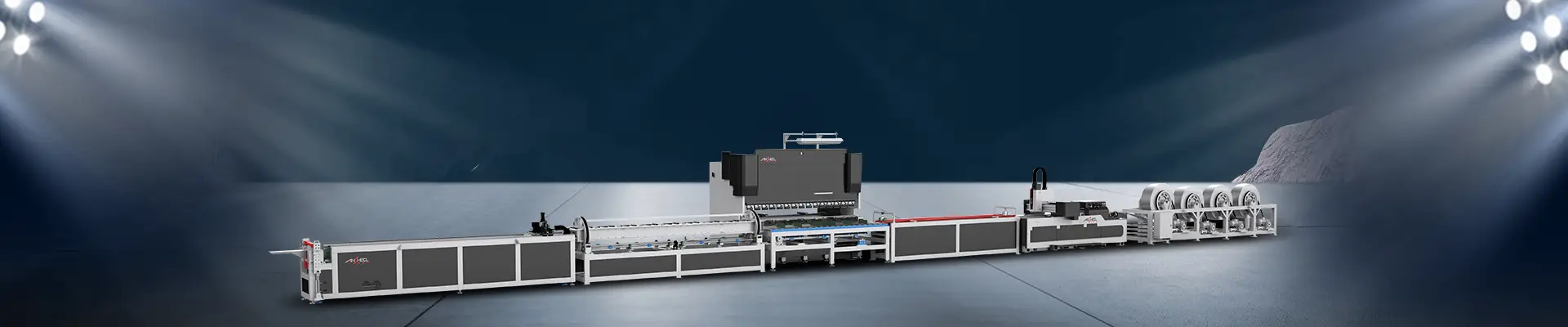
Coil laser cutting machines are at the forefront of modern industrial manufacturing, providing a highly efficient and precise method for cutting various materials. These machines are specifically designed to handle coil materials, which are commonly used in industries such as automotive, construction, and electronics. One of the main advantages of coil laser cutting technology is its capability to deliver clean and accurate cuts, which minimizes waste and maximizes material utilization.
The process begins with a continuous coil of material, typically metal, being fed into the machine. A high-powered laser beam is then directed onto the material, melting or vaporizing it in a controlled manner. This results in a precision cut that can be tailored to meet specific design requirements. Unlike traditional cutting methods, which can involve substantial mechanical contact and lead to deformation or burrs, coil laser cutting ensures that the integrity of the material is maintained throughout the process.
One of the key benefits of using coil laser cutting machines is their speed. The ability to cut through materials at high speeds without compromising on quality significantly enhances overall productivity. This is particularly beneficial in high-volume production environments where time is crucial. Additionally, laser cutting allows for intricate designs and complex shapes to be easily achieved, providing manufacturers with the flexibility to innovate and adapt their products to meet changing market demands.
Another important aspect of coil laser cutting technology is its versatility. These machines can handle a wide range of materials, including steel, aluminum, and stainless steel, making them suitable for various applications. Furthermore, advancements in laser technology have led to improved capabilities, such as higher power outputs and better energy efficiency. This means that manufacturers can achieve even greater results while minimizing their environmental impact.
From a maintenance perspective, coil laser cutting machines are generally easier to manage compared to their mechanical counterparts. With fewer moving parts, the likelihood of mechanical failure is reduced, leading to lower maintenance costs and less downtime. Regular maintenance typically involves cleaning the optics and ensuring that the laser beam is properly aligned, which can be performed with minimal disruption to production.
In conclusion, coil laser cutting machines represent a significant advancement in the field of industrial cutting technologies. Their efficiency, precision, and versatility make them an essential tool for manufacturers looking to streamline their processes and enhance product quality. As industries continue to evolve, the demand for such innovative technologies is likely to grow, paving the way for even more sophisticated cutting solutions in the future.
The process begins with a continuous coil of material, typically metal, being fed into the machine. A high-powered laser beam is then directed onto the material, melting or vaporizing it in a controlled manner. This results in a precision cut that can be tailored to meet specific design requirements. Unlike traditional cutting methods, which can involve substantial mechanical contact and lead to deformation or burrs, coil laser cutting ensures that the integrity of the material is maintained throughout the process.
One of the key benefits of using coil laser cutting machines is their speed. The ability to cut through materials at high speeds without compromising on quality significantly enhances overall productivity. This is particularly beneficial in high-volume production environments where time is crucial. Additionally, laser cutting allows for intricate designs and complex shapes to be easily achieved, providing manufacturers with the flexibility to innovate and adapt their products to meet changing market demands.
Another important aspect of coil laser cutting technology is its versatility. These machines can handle a wide range of materials, including steel, aluminum, and stainless steel, making them suitable for various applications. Furthermore, advancements in laser technology have led to improved capabilities, such as higher power outputs and better energy efficiency. This means that manufacturers can achieve even greater results while minimizing their environmental impact.
From a maintenance perspective, coil laser cutting machines are generally easier to manage compared to their mechanical counterparts. With fewer moving parts, the likelihood of mechanical failure is reduced, leading to lower maintenance costs and less downtime. Regular maintenance typically involves cleaning the optics and ensuring that the laser beam is properly aligned, which can be performed with minimal disruption to production.
In conclusion, coil laser cutting machines represent a significant advancement in the field of industrial cutting technologies. Their efficiency, precision, and versatility make them an essential tool for manufacturers looking to streamline their processes and enhance product quality. As industries continue to evolve, the demand for such innovative technologies is likely to grow, paving the way for even more sophisticated cutting solutions in the future.
