WELCOME TO SHANDONG ANSHECL MACHINERY CO.,LTD OFFICIAL WEBSITE!


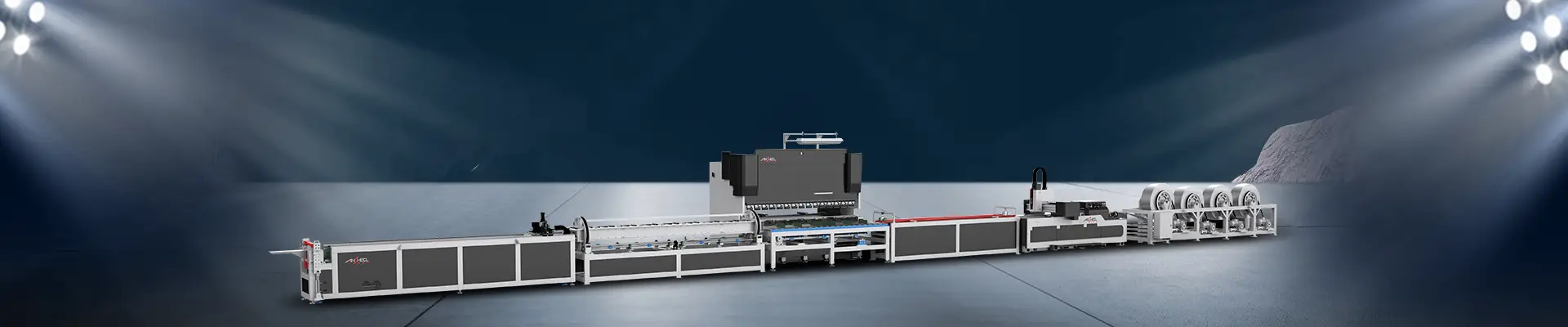

Maximizing Efficiency with Advanced Coil Laser Cutting Technology
Maximizing Efficiency with Advanced Coil Laser Cutting Technology
Table of Contents
- Introduction to Coil Laser Cutting Technology
- Understanding Coil Laser Cutting
- Benefits of Advanced Coil Laser Cutting Technology
- Applications of Coil Laser Cutting in Various Industries
- How Coil Laser Cutting Works: The Technology Explained
- Improving Manufacturing Efficiency with Coil Laser Cutting
- Challenges and Limitations of Coil Laser Cutting Technology
- The Future of Coil Laser Cutting Technology
- Frequently Asked Questions
- Conclusion
Introduction to Coil Laser Cutting Technology
Coil laser cutting technology has revolutionized the manufacturing landscape, enabling companies to streamline their processes while achieving unparalleled precision. As industries continue to demand high-quality components with reduced turnaround times, advanced coil laser cutting systems have emerged as a critical solution. This technology not only enhances operational efficiency but also significantly reduces material waste, thereby contributing to a more sustainable manufacturing process.
Understanding Coil Laser Cutting
Coil laser cutting involves utilizing high-powered lasers to cut metal sheets that are unwound from coils. Unlike traditional cutting methods, which may involve mechanical blades or torches, laser cutting offers increased accuracy and flexibility. The process begins with a continuous coil of metal being fed into the laser cutting machine, where it is precisely cut according to the specified dimensions and shapes.
Key Features of Coil Laser Cutting Technology
1. **High Precision**: Laser cutting provides extremely fine cuts and intricate designs, which are essential in industries requiring detailed components.
2. **Speed and Efficiency**: The speed of laser cutting allows for rapid processing of large volumes of material, reducing production time significantly.
3. **Versatility**: This technology can be applied to various materials, including steel, aluminum, and even non-metal materials like plastics.
4. **Reduced Waste**: The precision of laser cutting minimizes scrap material, contributing to a more environmentally friendly manufacturing process.
Benefits of Advanced Coil Laser Cutting Technology
Implementing advanced coil laser cutting technology offers numerous benefits that can transform manufacturing operations.
1. Enhanced Productivity
With faster cutting speeds, manufacturers can produce more components in less time. This boost in productivity translates to increased output and profitability.
2. Cost-Effectiveness
While the initial investment in laser cutting technology may be significant, the long-term savings from reduced material waste and labor costs can outweigh these expenses.
3. Improved Quality Control
Laser cutting minimizes the risk of errors, ensuring that parts are cut to exact specifications, which is vital for industries where precision is paramount.
Applications of Coil Laser Cutting in Various Industries
Coil laser cutting technology is versatile and finds applications in numerous sectors, including:
1. Automotive Industry
In automotive manufacturing, precise components are crucial for assembly. Coil laser cutting is used to create intricate parts such as brackets and chassis components with high accuracy.
2. Aerospace Sector
The aerospace industry demands components that meet stringent safety and performance standards. Laser cutting is employed to manufacture lightweight parts while ensuring structural integrity.
3. Electronics Manufacturing
In the electronics sector, coil laser cutting is utilized to produce circuit boards and other components where precision is essential for functionality.
4. Construction and Fabrication
Laser cutting technology is increasingly used in the construction industry for fabricating metal structures, enabling faster assembly and higher quality control.
How Coil Laser Cutting Works: The Technology Explained
Understanding the operational mechanics of coil laser cutting is crucial for appreciating its efficiency.
1. Coil Handling and Preparation
The process begins with the preparation of the metal coil, which is carefully unwound and fed into the cutting machine.
2. Laser Beam Generation
A high-energy laser beam is generated, typically using a fiber or CO2 laser. This beam is then focused onto the material surface to achieve the desired cut.
3. Cutting Process
As the material moves through the cutting area, the laser beam melts or vaporizes the metal, creating a clean cut without the need for additional finishing processes.
4. Waste Management
The system can be designed to handle the scraps produced during cutting, further enhancing efficiency and sustainability.
Improving Manufacturing Efficiency with Coil Laser Cutting
To fully leverage the benefits of coil laser cutting technology, companies must adopt best practices and strategies.
1. Integrating Automation
Incorporating automation into the coil laser cutting process can significantly enhance efficiency. Automated feeding systems and robotic arms can streamline the workflow, reducing downtime and labor costs.
2. Continuous Training and Development
Investing in training for operators ensures that they are skilled in utilizing advanced technologies, which can lead to improved operational efficiency and reduced error rates.
3. Regular Maintenance and Upgrades
Maintaining equipment and staying up-to-date with the latest advancements in laser cutting technology can help companies remain competitive and maximize their productivity.
Challenges and Limitations of Coil Laser Cutting Technology
Despite its advantages, coil laser cutting technology also presents challenges that manufacturers must address.
1. High Initial Investment
The cost of purchasing and installing advanced laser cutting systems can be a barrier for small to medium-sized enterprises.
2. Material Limitations
While laser cutting is suitable for many materials, there are limitations regarding thickness and specific metal types that may not yield optimal results.
3. Skill Requirements
Operators need specialized training to handle laser cutting machines effectively, which can pose challenges in finding and retaining skilled personnel.
The Future of Coil Laser Cutting Technology
The future of coil laser cutting technology is promising, with ongoing research and development aimed at enhancing capabilities further.
1. Innovations in Laser Technology
Emerging laser technologies, such as ultra-fast lasers, promise to increase cutting speeds and improve precision, allowing for even more complex designs.
2. Increased Automation
As automation technology advances, we can expect more integrated solutions that combine laser cutting with artificial intelligence and machine learning, further optimizing production processes.
Frequently Asked Questions
1. What is coil laser cutting technology?
Coil laser cutting technology uses high-powered lasers to cut metal sheets from coils with precision and speed.
2. What are the advantages of using coil laser cutting?
Benefits include enhanced productivity, cost-effectiveness, improved quality control, and reduced material waste.
3. In which industries is coil laser cutting commonly used?
It is widely used in the automotive, aerospace, electronics, and construction industries.
4. How does coil laser cutting compare to traditional cutting methods?
Coil laser cutting offers greater precision, speed, and versatility compared to traditional mechanical cutting methods.
5. Are there limitations to coil laser cutting technology?
Yes, challenges include high initial costs, material limitations, and the need for specialized operator training.
Conclusion
Advanced coil laser cutting technology stands at the forefront of manufacturing innovation, offering unparalleled efficiency, precision, and versatility. By understanding its mechanics, benefits, and applications, businesses can make informed decisions that enhance their operational capabilities. As industries continue to evolve, embracing this cutting-edge technology will be crucial for staying competitive and meeting the demands of the market. The future of coil laser cutting is bright, and organizations that invest in its potential will undoubtedly reap the rewards of improved productivity and sustainability.
