WELCOME TO SHANDONG ANSHECL MACHINERY CO.,LTD OFFICIAL WEBSITE!


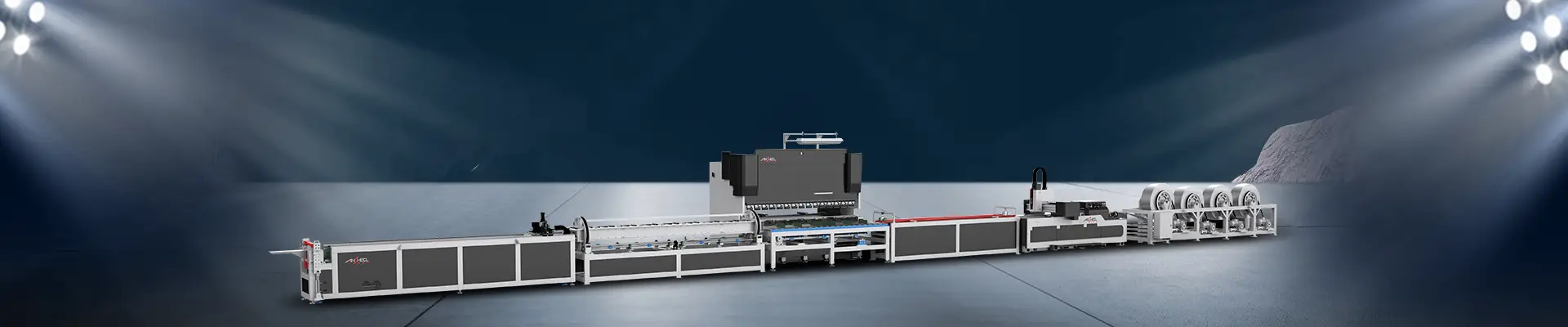

Revolutionizing Metal Fabrication: The Advantages of Laser Cutting Machines for Steel Plates
Laser cutting machines for steel plates represent a significant advancement in industrial cutting technology, especially within the welding and cutting equipment sector. These machines utilize high-powered lasers to precisely cut through metal, offering numerous advantages over traditional cutting methods.
One of the most notable benefits of using laser cutting machines for steel plates is the exceptional precision they provide. Laser beams can be focused to a small point, resulting in clean cuts with minimal kerf width. This precision allows for intricate designs and shapes to be cut efficiently, minimizing waste and ensuring high-quality finished products. The accuracy of laser cutting makes it ideal for applications requiring tight tolerances, such as in the automotive or aerospace industries.
Additionally, laser cutting machines are known for their speed. The high energy density of the laser beam allows it to cut through steel plates quickly, significantly reducing processing times. This efficiency not only enhances productivity but also allows manufacturers to meet tight deadlines without compromising quality. In environments where time is of the essence, the rapid operation of laser cutting machines can provide a competitive edge.
Another important aspect of laser cutting technology is its versatility. Laser cutting machines can handle a variety of materials beyond steel, including aluminum, copper, and even non-metals like plastics and wood. This adaptability makes them an invaluable tool in a wide range of industries, from construction to electronics, where different materials are often used.
Moreover, the laser cutting process produces minimal heat-affected zones, which helps preserve the integrity of the materials being cut. Traditional cutting methods can induce thermal distortion, leading to warping or other deformities in the steel plates. In contrast, the focused nature of the laser minimizes heat transfer, maintaining the desired specifications of the material.
Maintenance of laser cutting machines is generally less intensive compared to other types of cutting equipment. With fewer moving parts and a more straightforward operating mechanism, these machines require less frequent servicing, further enhancing their cost-effectiveness over time.
In conclusion, laser cutting machines for steel plates are a game-changer in the industrial equipment landscape. Their precision, speed, and versatility make them ideal for a variety of applications, while their efficiency and low maintenance requirements further solidify their status as a preferred choice for manufacturers. As industries continue to evolve and demand higher standards of quality and efficiency, laser cutting technology will undoubtedly play a crucial role in shaping the future of metal fabrication.
One of the most notable benefits of using laser cutting machines for steel plates is the exceptional precision they provide. Laser beams can be focused to a small point, resulting in clean cuts with minimal kerf width. This precision allows for intricate designs and shapes to be cut efficiently, minimizing waste and ensuring high-quality finished products. The accuracy of laser cutting makes it ideal for applications requiring tight tolerances, such as in the automotive or aerospace industries.
Additionally, laser cutting machines are known for their speed. The high energy density of the laser beam allows it to cut through steel plates quickly, significantly reducing processing times. This efficiency not only enhances productivity but also allows manufacturers to meet tight deadlines without compromising quality. In environments where time is of the essence, the rapid operation of laser cutting machines can provide a competitive edge.
Another important aspect of laser cutting technology is its versatility. Laser cutting machines can handle a variety of materials beyond steel, including aluminum, copper, and even non-metals like plastics and wood. This adaptability makes them an invaluable tool in a wide range of industries, from construction to electronics, where different materials are often used.
Moreover, the laser cutting process produces minimal heat-affected zones, which helps preserve the integrity of the materials being cut. Traditional cutting methods can induce thermal distortion, leading to warping or other deformities in the steel plates. In contrast, the focused nature of the laser minimizes heat transfer, maintaining the desired specifications of the material.
Maintenance of laser cutting machines is generally less intensive compared to other types of cutting equipment. With fewer moving parts and a more straightforward operating mechanism, these machines require less frequent servicing, further enhancing their cost-effectiveness over time.
In conclusion, laser cutting machines for steel plates are a game-changer in the industrial equipment landscape. Their precision, speed, and versatility make them ideal for a variety of applications, while their efficiency and low maintenance requirements further solidify their status as a preferred choice for manufacturers. As industries continue to evolve and demand higher standards of quality and efficiency, laser cutting technology will undoubtedly play a crucial role in shaping the future of metal fabrication.
