WELCOME TO SHANDONG ANSHECL MACHINERY CO.,LTD OFFICIAL WEBSITE!


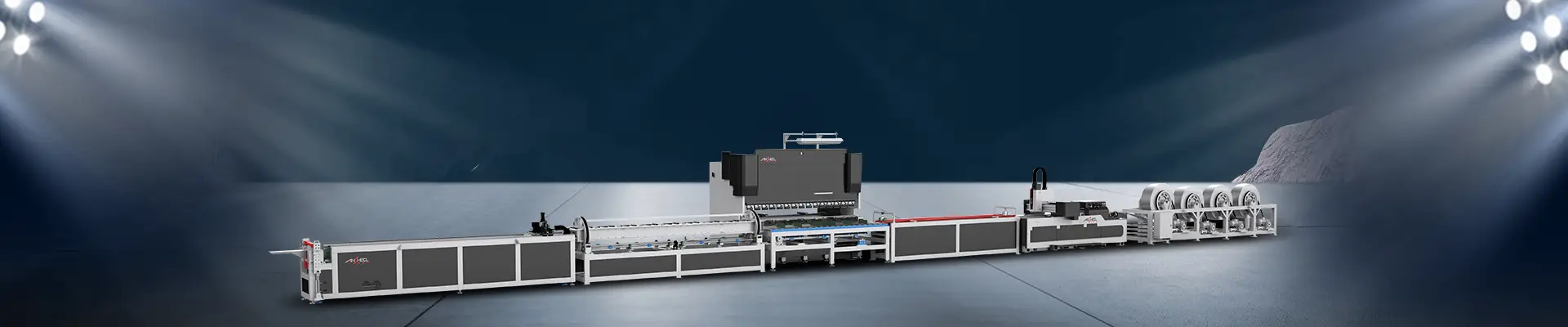

The Versatility and Advantages of Laser Cutting Machines for Steel Plates
Laser cutting machines for steel plates have become essential tools in the industrial equipment and components sector, particularly in welding and cutting applications. These machines utilize focused laser beams to precisely cut through various thicknesses of steel, offering a level of accuracy and efficiency that traditional cutting methods often cannot match.
One of the primary advantages of using a laser cutting machine for steel plates is its ability to achieve intricate designs and complex geometries. The precision of laser cutting minimizes material waste, making it an eco-friendly choice for manufacturers. This technology is particularly beneficial for industries that require detailed and accurate cuts, such as automotive, aerospace, and construction.
Another significant benefit is speed. Laser cutting machines can operate at high speeds while maintaining consistent quality. This efficiency can dramatically reduce production times, enabling companies to meet tight deadlines and increase output. Additionally, the automation capabilities of modern laser cutting systems allow for quicker setup times and less manual intervention, further boosting productivity.
In terms of maintenance and operational costs, laser cutting machines for steel plates are also advantageous. While the initial investment may be higher compared to traditional cutting tools, the long-term savings in terms of reduced material waste, lower labor costs, and less downtime due to maintenance make them a cost-effective solution. Moreover, advancements in laser technology have led to more energy-efficient models, contributing to lower operational expenses.
Safety is another critical aspect to consider. Laser cutting machines are designed with safety features that protect operators from potential hazards, such as fumes and sparks generated during cutting. Many machines also come equipped with advanced monitoring systems to ensure safe operation.
Moreover, laser cutting technology is highly adaptable. It can easily switch between different materials, including various grades of steel, as well as other metals like aluminum and copper. This versatility allows businesses to diversify their offerings without the need for multiple cutting machines.
In conclusion, investing in a laser cutting machine for steel plates can significantly enhance production capabilities for industrial operations. The precision, speed, cost-effectiveness, and versatility of these machines make them a valuable asset in the competitive landscape of manufacturing. As industries continue to evolve, embracing advanced technologies like laser cutting will be crucial for maintaining a competitive edge.
One of the primary advantages of using a laser cutting machine for steel plates is its ability to achieve intricate designs and complex geometries. The precision of laser cutting minimizes material waste, making it an eco-friendly choice for manufacturers. This technology is particularly beneficial for industries that require detailed and accurate cuts, such as automotive, aerospace, and construction.
Another significant benefit is speed. Laser cutting machines can operate at high speeds while maintaining consistent quality. This efficiency can dramatically reduce production times, enabling companies to meet tight deadlines and increase output. Additionally, the automation capabilities of modern laser cutting systems allow for quicker setup times and less manual intervention, further boosting productivity.
In terms of maintenance and operational costs, laser cutting machines for steel plates are also advantageous. While the initial investment may be higher compared to traditional cutting tools, the long-term savings in terms of reduced material waste, lower labor costs, and less downtime due to maintenance make them a cost-effective solution. Moreover, advancements in laser technology have led to more energy-efficient models, contributing to lower operational expenses.
Safety is another critical aspect to consider. Laser cutting machines are designed with safety features that protect operators from potential hazards, such as fumes and sparks generated during cutting. Many machines also come equipped with advanced monitoring systems to ensure safe operation.
Moreover, laser cutting technology is highly adaptable. It can easily switch between different materials, including various grades of steel, as well as other metals like aluminum and copper. This versatility allows businesses to diversify their offerings without the need for multiple cutting machines.
In conclusion, investing in a laser cutting machine for steel plates can significantly enhance production capabilities for industrial operations. The precision, speed, cost-effectiveness, and versatility of these machines make them a valuable asset in the competitive landscape of manufacturing. As industries continue to evolve, embracing advanced technologies like laser cutting will be crucial for maintaining a competitive edge.
