WELCOME TO SHANDONG ANSHECL MACHINERY CO.,LTD OFFICIAL WEBSITE!


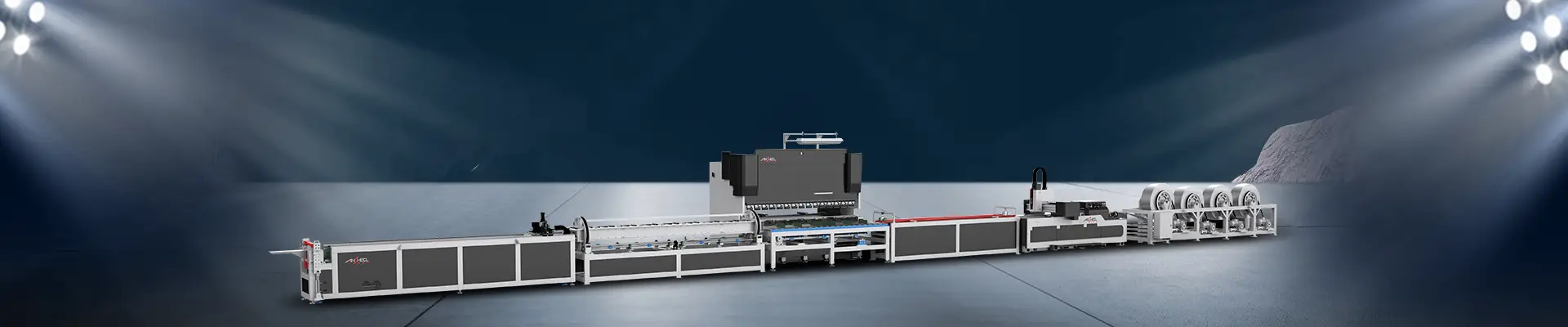

The Evolution of Flange Forming Machines in the Industry: A Comprehensive Overview
The Evolution of Flange Forming Machines in the Industry
Table of Contents
- 1. Introduction to Flange Forming Machines
- 2. Historical Development of Flange Forming Machines
- 3. Technological Advancements in Flange Forming
- 4. Types of Flange Forming Machines
- 5. Applications of Flange Forming Machines
- 6. Advantages of Modern Flange Forming Machines
- 7. Future Trends in Flange Forming Technology
- 8. Frequently Asked Questions
- 9. Conclusion
1. Introduction to Flange Forming Machines
Flange forming machines have become an indispensable part of modern manufacturing processes. These machines are designed to produce flanges, which are critical components used in various industries such as automotive, aerospace, and construction. The evolution of these machines reflects significant advancements in manufacturing technology, leading to enhanced efficiency, precision, and versatility.
In this article, we will explore the journey of flange forming machines, highlighting key developments, technological innovations, and their impact on the industry. By understanding the evolution of these machines, we can appreciate their role in shaping contemporary manufacturing practices.
2. Historical Development of Flange Forming Machines
The history of flange forming machines dates back to the early days of industrial manufacturing. Initially, flanges were crafted manually, which was a labor-intensive and time-consuming process. The demand for precision and consistency in flange production led to the development of mechanized methods in the late 19th and early 20th centuries.
The Birth of Mechanized Flange Formation
The introduction of mechanical power revolutionized flange forming. Early machines were simple in design, primarily using hydraulic or pneumatic forces to shape metal into flanges. As industries grew, the need for larger, more efficient machines became apparent.
Advancements in Materials and Design
With the advancement of materials science and engineering, flange forming machines began to incorporate new technologies. The introduction of CNC (Computer Numerical Control) technology in the late 20th century marked a significant turning point. CNC machines offered unparalleled precision and repeatability, enabling manufacturers to produce complex flange designs with minimal error.
3. Technological Advancements in Flange Forming
Flange forming technology has continued to evolve, integrating sophisticated features that enhance performance and productivity. Today’s machines are equipped with advanced control systems, sensors, and automation capabilities, transforming the production landscape.
Automation and Robotics
Automation has become a hallmark of modern flange forming machines. Robotic arms can now handle the loading and unloading of materials, significantly reducing cycle times and minimizing human error. This integration of automation not only boosts efficiency but also allows for a safer working environment.
Smart Technology Integration
The rise of smart manufacturing has also impacted flange forming. Many machines now come with IoT (Internet of Things) capabilities, allowing real-time monitoring of production processes. Data analytics can help manufacturers optimize operations, predict maintenance needs, and improve overall equipment effectiveness.
4. Types of Flange Forming Machines
Flange forming machines vary in type, each designed to meet specific manufacturing requirements. Understanding the different types is essential for selecting the right machine for a particular application.
Hydraulic Flange Forming Machines
Hydraulic machines utilize fluid pressure to form flanges, offering high force and precision. They are ideal for heavy-duty applications and can handle various materials, making them versatile in production settings.
Pneumatic Flange Forming Machines
Pneumatic machines, which rely on compressed air, are typically used for lighter materials and smaller flanges. They are known for their speed and efficiency, making them suitable for high-volume production.
CNC Flange Forming Machines
CNC flange forming machines provide superior control and precision. They can execute complex designs with ease and are suitable for both small and large production runs. Their flexibility allows manufacturers to adapt quickly to changing demands.
5. Applications of Flange Forming Machines
Flange forming machines play a critical role across various industries, enabling the production of essential components.
Aerospace Industry
In the aerospace sector, flanges are crucial for assembling different parts of aircraft. The accuracy and strength of flanges are vital for ensuring safety and performance, making flange forming machines indispensable.
Automotive Industry
Automotive manufacturing relies heavily on flanges for connecting parts and systems within vehicles. The demand for lightweight and durable materials has driven innovations in flange forming technology, allowing for enhanced fuel efficiency and performance.
Construction Industry
Flanges are widely used in the construction sector for piping and structural applications. The ability to produce large volumes of high-quality flanges quickly and efficiently is essential for meeting project deadlines and specifications.
6. Advantages of Modern Flange Forming Machines
The latest flange forming machines offer numerous benefits that enhance productivity and product quality.
Increased Efficiency
Modern machines are designed for high-speed production, which significantly reduces manufacturing time. This efficiency allows businesses to meet tight deadlines and respond swiftly to market demands.
Improved Precision
With advancements in technology, today’s flange forming machines deliver exceptional accuracy. This precision reduces waste and ensures that each flange meets stringent quality standards, thereby minimizing rework.
Cost-Effectiveness
Investing in modern flange forming technology can lead to long-term cost savings. Automated processes reduce labor costs, while improved efficiency and reduced waste contribute to lower overall production expenses.
7. Future Trends in Flange Forming Technology
As technology continues to advance, the future of flange forming machines looks promising. Several trends are poised to shape the industry in the coming years.
Sustainability Initiatives
The manufacturing sector is increasingly focusing on sustainability. Future flange forming machines will likely incorporate eco-friendly materials and processes, reducing their carbon footprint and promoting greener manufacturing practices.
Enhanced Customization
The demand for customized flanges is on the rise. Future innovations in flange forming technology may enable greater personalization options, allowing manufacturers to tailor products to specific customer needs without sacrificing efficiency.
Integration with AI
Artificial intelligence is expected to play a significant role in manufacturing. AI could enhance predictive maintenance, quality control, and even design processes, further streamlining production and increasing competitiveness in the market.
8. Frequently Asked Questions
What are flange forming machines used for?
Flange forming machines are utilized to create flanges, which are essential components in various industries, including aerospace, automotive, and construction.
How do hydraulic flange forming machines work?
Hydraulic flange forming machines use fluid pressure to shape materials into flanges, providing high force and precision suitable for heavy-duty applications.
What advantages do CNC flange forming machines offer?
CNC flange forming machines offer superior control, precision, and flexibility, making them ideal for producing complex flange designs and adapting to varying production demands.
What is the future of flange forming technology?
The future of flange forming technology includes trends like sustainability initiatives, enhanced customization, and AI integration, which will revolutionize production processes and efficiency.
Can flange forming machines be used for different materials?
Yes, flange forming machines can work with various materials, including metals, plastics, and composites, depending on the specific machine type and design.
9. Conclusion
The evolution of flange forming machines has been marked by significant advancements that have transformed the manufacturing landscape. From their humble beginnings as manually operated devices to today’s high-tech, automated solutions, these machines have played a crucial role in enhancing production efficiency and quality across various industries.
As we look to the future, emerging trends such as sustainability, customization, and AI integration promise to further advance flange forming technology. By understanding the historical context and current innovations, manufacturers can better prepare for the challenges and opportunities that lie ahead in the ever-evolving landscape of flange production.
