WELCOME TO SHANDONG ANSHECL MACHINERY CO.,LTD OFFICIAL WEBSITE!


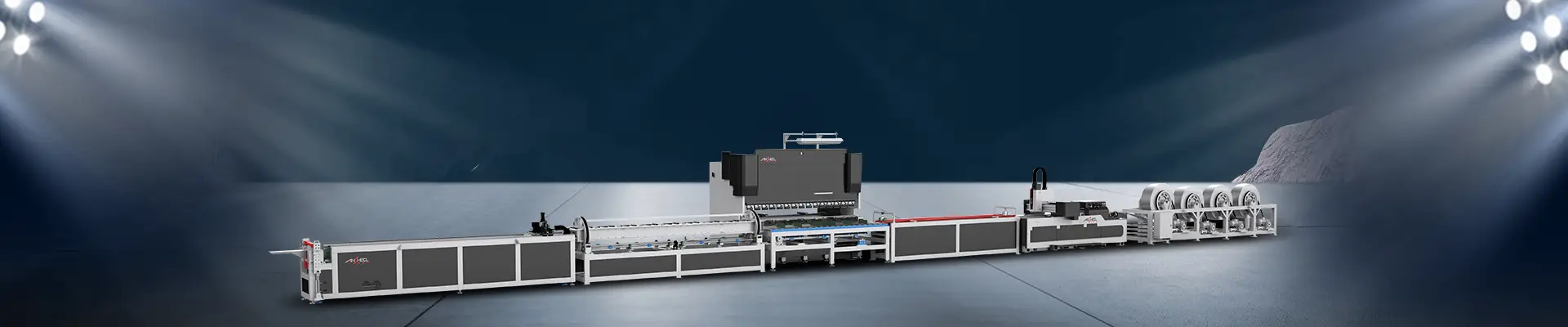

Cost-Effective Solutions: Fiber Laser Cutters in Today's Market
Cost-Effective Solutions: Fiber Laser Cutters in Today's Market
Introduction to Fiber Laser Cutters
In the ever-evolving industrial landscape, manufacturers are in a continuous quest for efficiency, precision, and cost-effectiveness. Fiber laser cutters have emerged as a game-changing technology, transcending traditional cutting methods. They provide an array of benefits that significantly enhance operational efficiency, making them pivotal in today’s market for welding and cutting equipment.
Understanding Fiber Laser Technology
Fiber laser technology utilizes a solid-state laser that is generated within optical fibers doped with rare-earth elements. This technology boasts a host of advantages over conventional laser cutters, which include increased efficiency, reduced costs, and more compact designs. Understanding the mechanics behind fiber laser cutters is crucial for realizing their potential in different industrial applications.
The Mechanics Behind Fiber Laser Cutters
Fiber lasers operate by emitting coherent light through optical fibers, which amplifies the laser energy. This amplification process allows for high beam quality and high power output, making them suitable for a variety of materials, including metals, plastics, and ceramics. The wavelength of fiber lasers is particularly well-suited for metal cutting, providing precision and speed that traditional methods often struggle to achieve.
Advantages of Fiber Laser Cutters
Fiber laser cutters offer multiple advantages that make them a preferred choice for manufacturers:
- High-Speed Cutting: Fiber lasers can cut through materials faster than traditional CO2 lasers, reducing cycle times and increasing productivity.
- Cost Efficiency: With lower operational costs and reduced maintenance, fiber laser cutters provide significant savings over time.
- Versatility: These machines can easily switch between different materials without extensive recalibration.
- Minimal Waste: The precision of cutting reduces the amount of material wasted, further contributing to cost savings.
- Compact Design: Fiber laser systems require less floor space compared to traditional laser cutting setups, allowing for efficient use of available space.
Market Trends and Growth of Fiber Laser Cutters
The demand for fiber laser cutters has surged in recent years, driven by increasing automation in manufacturing and the need for high precision. Various industries, including automotive, aerospace, and electronics, have adopted this technology to enhance their production capabilities.
Industry Applications of Fiber Laser Cutters
Fiber laser cutters are used in a diverse range of applications:
- Metal Fabrication: Perfect for cutting, engraving, and welding a variety of metals.
- Aerospace: Ideal for intricate parts that require high precision and strength.
- Automotive: Used for fabricating components with complex geometries.
- Electronics: Essential for producing circuit boards and other electronic components with exact specifications.
Cost Considerations: Initial Investment vs. Long-Term Savings
While the initial investment in fiber laser technology may be higher than traditional cutting methods, the long-term savings make it a cost-effective solution. Factors contributing to these savings include:
- Lower Energy Consumption: Fiber lasers are more energy-efficient than their counterparts, reducing utility costs.
- Reduced Downtime: Faster cutting speeds and reliability lead to less downtime for maintenance and repairs.
- Labor Savings: Automation capabilities reduce the need for extensive manual labor, allowing for reallocating workforce resources to other areas.
Choosing the Right Fiber Laser Cutter for Your Business
Selecting the appropriate fiber laser cutter involves evaluating several critical factors:
Understanding Your Cutting Needs
Assess the materials you will be cutting, the thickness, and the complexity of the designs. Understanding these parameters will help you choose a fiber laser cutter that meets your specifications.
Budget Constraints
Consider both the initial purchase price and the ongoing operational costs. A more expensive model may offer greater efficiency and lower costs in the long run.
Technical Support and Maintenance
Ensure that your chosen manufacturer provides robust technical support and maintenance services to maximize your investment's longevity and efficiency.
Top Fiber Laser Cutter Brands in the Market
Several brands have established themselves as leaders in the fiber laser cutter market. These include:
- TRUMPF: Known for their innovative technology and high-quality machines.
- Amada: Offers a range of fiber laser systems suitable for various applications.
- LVD: Renowned for their reliable and efficient laser cutters.
- Bystronic: Provides advanced technology with user-friendly interfaces.
Future of Fiber Laser Technology
The future of fiber laser technology looks promising, with advancements aimed at improving efficiency, reducing costs, and expanding capabilities. Innovations in automation, artificial intelligence, and machine learning will likely enhance the functionality of fiber laser systems, making them even more invaluable to the manufacturing sector.
FAQ Section
1. What materials can fiber laser cutters cut?
Fiber laser cutters can effectively cut metals, plastics, wood, and ceramics, making them versatile for many applications.
2. How does the cost of fiber laser cutters compare to traditional cutting methods?
While fiber laser cutters may have a higher initial cost, their operational efficiency and lower maintenance needs often result in significant long-term savings.
3. Are fiber laser cutters suitable for small businesses?
Yes, many fiber laser cutters are designed to be compact and cost-effective, making them ideal for small businesses looking to enhance their production capabilities.
4. What is the average lifespan of a fiber laser cutter?
With proper maintenance, a fiber laser cutter can have a lifespan of 10-20 years, depending on usage and quality of the machine.
5. Can fiber laser cutters operate continuously?
Yes, fiber laser cutters are designed for high-speed applications and can operate continuously, making them suitable for high-volume production environments.
Conclusion
Fiber laser cutters represent a significant advancement in manufacturing technology, offering cost-effective, versatile, and efficient solutions for cutting and welding needs. Investing in fiber laser technology not only enhances productivity but also contributes to substantial long-term savings. As industries continue to evolve, fiber laser cutters will play an increasingly vital role in shaping the future of manufacturing, ensuring businesses remain competitive in a rapidly changing market.
