WELCOME TO SHANDONG ANSHECL MACHINERY CO.,LTD OFFICIAL WEBSITE!


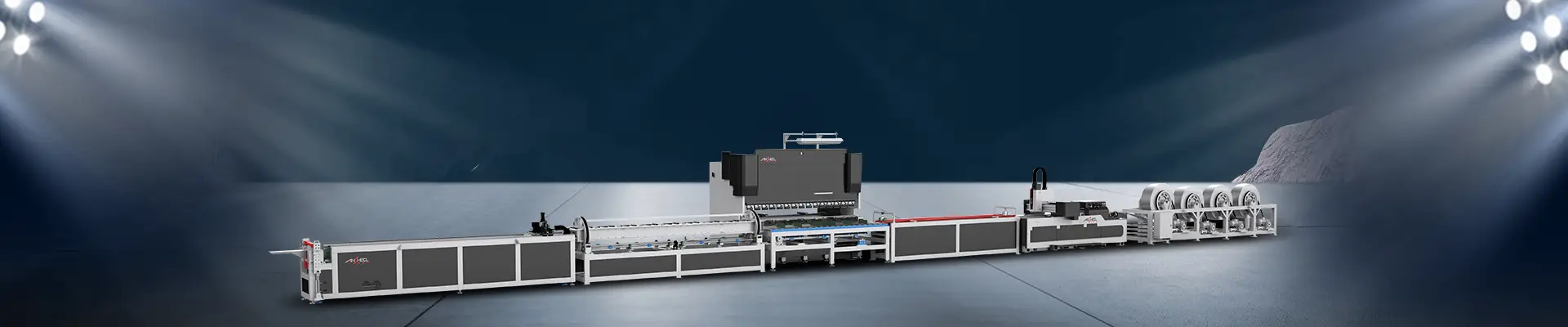

Revolutionizing Metal Fabrication: The Role of Laser Cutting Machines for Steel Plates
In the realm of industrial equipment and components, laser cutting machines for steel plates stand out as a revolutionary technology that has significantly improved the precision and efficiency of metal fabrication processes. Unlike traditional cutting methods, such as plasma or mechanical cutting, laser cutting utilizes a high-powered laser beam to melt, burn, or vaporize materials, making it an ideal choice for intricate designs and high-volume production.
One of the primary advantages of laser cutting machines for steel plates is their unparalleled precision. The focused laser beam can achieve cutting tolerances of up to 0.1 mm, allowing for intricate patterns and detailed designs that would be challenging to replicate using conventional methods. This level of accuracy not only enhances the quality of the finished product but also minimizes material waste, making laser cutting a cost-effective solution for metal fabricators.
In addition to precision, laser cutting machines offer remarkable speed. The cutting process is significantly faster compared to traditional cutting techniques, which can lead to increased productivity. With the ability to cut through thick steel plates efficiently, businesses can meet tight deadlines and fulfill large orders without compromising on quality. This capability is particularly beneficial in industries such as automotive, aerospace, and construction, where high-quality components are required in a timely manner.
Moreover, laser cutting is highly versatile and can handle a wide range of materials, including various grades of steel, stainless steel, aluminum, and even non-metal materials. This flexibility allows manufacturers to utilize a single cutting machine for multiple applications, reducing the need for investment in different types of cutting equipment.
Another critical aspect of laser cutting technology is its ability to create clean and smooth edge finishes. Unlike other cutting methods that may require extensive post-processing, laser cutting often leaves edges that are ready for welding or assembly, further streamlining the manufacturing process. This can save time and labor costs, ultimately enhancing the overall operational efficiency.
Furthermore, the integration of advanced software and automation in modern laser cutting machines allows for seamless operation and programming. Operators can easily input design specifications, and the machine will automatically adjust settings to ensure optimal cutting conditions. This technological advancement not only improves the user experience but also enhances safety by minimizing human error.
In conclusion, laser cutting machines for steel plates represent a significant evolution in metal fabrication technology. With their precision, speed, versatility, and efficiency, they are transforming how manufacturers approach the cutting process. For professionals in the industrial equipment sector, embracing this cutting-edge technology can lead to improved product quality, reduced costs, and increased competitiveness in the ever-evolving market.
One of the primary advantages of laser cutting machines for steel plates is their unparalleled precision. The focused laser beam can achieve cutting tolerances of up to 0.1 mm, allowing for intricate patterns and detailed designs that would be challenging to replicate using conventional methods. This level of accuracy not only enhances the quality of the finished product but also minimizes material waste, making laser cutting a cost-effective solution for metal fabricators.
In addition to precision, laser cutting machines offer remarkable speed. The cutting process is significantly faster compared to traditional cutting techniques, which can lead to increased productivity. With the ability to cut through thick steel plates efficiently, businesses can meet tight deadlines and fulfill large orders without compromising on quality. This capability is particularly beneficial in industries such as automotive, aerospace, and construction, where high-quality components are required in a timely manner.
Moreover, laser cutting is highly versatile and can handle a wide range of materials, including various grades of steel, stainless steel, aluminum, and even non-metal materials. This flexibility allows manufacturers to utilize a single cutting machine for multiple applications, reducing the need for investment in different types of cutting equipment.
Another critical aspect of laser cutting technology is its ability to create clean and smooth edge finishes. Unlike other cutting methods that may require extensive post-processing, laser cutting often leaves edges that are ready for welding or assembly, further streamlining the manufacturing process. This can save time and labor costs, ultimately enhancing the overall operational efficiency.
Furthermore, the integration of advanced software and automation in modern laser cutting machines allows for seamless operation and programming. Operators can easily input design specifications, and the machine will automatically adjust settings to ensure optimal cutting conditions. This technological advancement not only improves the user experience but also enhances safety by minimizing human error.
In conclusion, laser cutting machines for steel plates represent a significant evolution in metal fabrication technology. With their precision, speed, versatility, and efficiency, they are transforming how manufacturers approach the cutting process. For professionals in the industrial equipment sector, embracing this cutting-edge technology can lead to improved product quality, reduced costs, and increased competitiveness in the ever-evolving market.
