WELCOME TO SHANDONG ANSHECL MACHINERY CO.,LTD OFFICIAL WEBSITE!


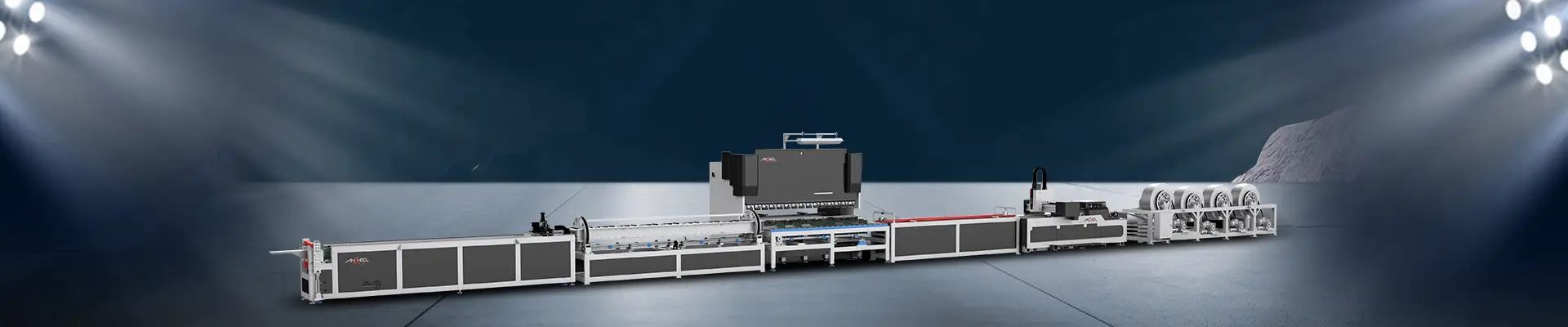

The Role of Angle Iron Flange Punching Machines in Modern Manufacturing
The Role of Angle Iron Flange Punching Machines in Modern Manufacturing
Table of Contents
- 1. Introduction to Angle Iron Flange Punching Machines
- 2. Understanding the Technology Behind Punching Machines
- 3. Applications of Angle Iron Flange Punching Machines in Manufacturing
- 4. Benefits of Using Angle Iron Flange Punching Machines
- 5. Recent Advancements in Punching Technology
- 6. Comparing Manual vs. Automated Angle Iron Flange Punching Machines
- 7. Choosing the Right Angle Iron Flange Punching Machine for Your Needs
- 8. The Future of Angle Iron Flange Punching Machines in Manufacturing
- 9. FAQs
- 10. Conclusion
1. Introduction to Angle Iron Flange Punching Machines
In the landscape of modern manufacturing, **angle iron flange punching machines** play a pivotal role in enhancing production capacities and improving output quality. These machines are engineered to efficiently punch holes into angle iron flanges, which are essential components in various industrial applications, particularly in the **leather processing** and **machining** industries. Their versatility and precision make them indispensable tools for manufacturers aiming to optimize their operational efficiency.
2. Understanding the Technology Behind Punching Machines
Angle iron flange punching machines utilize a combination of mechanical and hydraulic technologies to perform precise punching operations. The core components typically include:
Hydraulic Systems
Hydraulic systems are widely employed due to their ability to generate immense force while maintaining accuracy. These systems convert fluid power into mechanical energy, enabling the machine to punch through tough materials seamlessly.
Control Mechanisms
Modern punching machines are equipped with advanced control mechanisms, including CNC (Computer Numerical Control) systems. These allow for high levels of automation and precision in the punching process, significantly reducing human error.
Materials Used
The construction of angle iron flange punching machines involves **high-strength steel** and other durable materials to ensure longevity and reliability. The design must withstand repetitive operations without compromising performance.
3. Applications of Angle Iron Flange Punching Machines in Manufacturing
Flange punching machines find applications across a variety of sectors. Some notable uses include:
Automotive Industry
In the automotive sector, these machines are essential for creating components such as frame brackets and support structures, where precision and durability are paramount.
Construction
The construction industry utilizes angle iron flanges in building frameworks, bridges, and other structures, necessitating reliable punching machines to ensure the integrity of the components.
Leather Industry
Within the leather processing sector, these machines aid in the production of various fittings and accessories that require precise hole configurations for assembly.
4. Benefits of Using Angle Iron Flange Punching Machines
The integration of angle iron flange punching machines into manufacturing processes offers numerous advantages:
Increased Efficiency
Mechanical punching operations are significantly faster compared to manual methods. This efficiency boost results in higher output and quicker turnaround times.
Reduced Labor Costs
Automation reduces the dependency on manual labor, leading to lower operational costs and minimizing the risk of human errors.
Improved Precision
These machines deliver consistent and accurate results, ensuring that components meet stringent specifications and quality standards.
Versatility
Angle iron flange punching machines can be adapted for various applications, making them suitable for a diverse range of manufacturing needs.
5. Recent Advancements in Punching Technology
Technological advancements continue to shape the capabilities of angle iron flange punching machines. Key developments include:
Smart Technology Integration
The incorporation of IoT (Internet of Things) features allows for real-time monitoring and diagnostics, enhancing machine performance and reducing downtime.
Enhanced Software Solutions
Modern machines come equipped with sophisticated software that facilitates better design, simulation, and execution of punching operations.
Eco-Friendly Designs
Manufacturers are increasingly focusing on energy-efficient machines that minimize waste and reduce the environmental impact of production.
6. Comparing Manual vs. Automated Angle Iron Flange Punching Machines
The decision between manual and automated flange punching machines depends on several factors, including production volume and budget constraints.
Manual Machines
Manual machines are often less expensive and suitable for low-volume production runs. However, they require skilled operators and can be time-consuming.
Automated Machines
Automated machines, while more expensive, offer higher efficiency, reduced labor costs, and better precision. They are ideal for high-volume production environments.
7. Choosing the Right Angle Iron Flange Punching Machine for Your Needs
Selecting the appropriate punching machine involves considering several critical factors:
Production Volume Requirements
Assess your production needs. High-volume operations will benefit from automated solutions, while low-volume tasks may find manual machines sufficient.
Material Compatibility
Ensure that the machine can handle the specific types of angle iron you will be working with, including their thickness and hardness.
Budget Constraints
Establish your budget early in the decision-making process. While automated machines offer many benefits, they come at a higher upfront cost.
8. The Future of Angle Iron Flange Punching Machines in Manufacturing
As technology continues to evolve, the future of angle iron flange punching machines looks promising. Anticipated trends include:
Greater Automation
The shift towards fully automated production lines will likely continue, reducing human intervention and increasing operational efficiency.
Adaptation to Industry 4.0
As the manufacturing industry embraces Industry 4.0, machines will become more interconnected, facilitating data sharing and optimized processes.
Focus on Sustainability
Future machines will likely emphasize eco-friendly designs and processes, aligning with global sustainability goals.
9. FAQs
1. What are the primary uses of angle iron flange punching machines?
Angle iron flange punching machines are primarily used in the automotive, construction, and leather industries for creating precise holes in angle iron components.
2. How do automated machines differ from manual machines?
Automated machines operate with minimal human intervention, providing higher efficiency and precision, while manual machines require skilled operators and are better suited for low-volume tasks.
3. What factors should I consider when choosing a punching machine?
Consider production volume, material compatibility, budget constraints, and the specific requirements of your manufacturing processes.
4. Are modern punching machines environmentally friendly?
Many modern punching machines are designed with energy efficiency in mind, minimizing waste and reducing the environmental impact of manufacturing.
5. What advancements are influencing the future of punching machines?
Key advancements include greater automation, smart technology integration, and a focus on eco-friendly designs, all of which are shaping the future of punching technology.
10. Conclusion
In summary, angle iron flange punching machines are essential to modern manufacturing, transforming how industries approach production. Their advanced technology, versatility, and numerous benefits empower manufacturers to enhance efficiency, reduce costs, and maintain high-quality standards. As the industry progresses, embracing automation and sustainability will further solidify the role of these machines in the future of manufacturing.
