WELCOME TO SHANDONG ANSHECL MACHINERY CO.,LTD OFFICIAL WEBSITE!


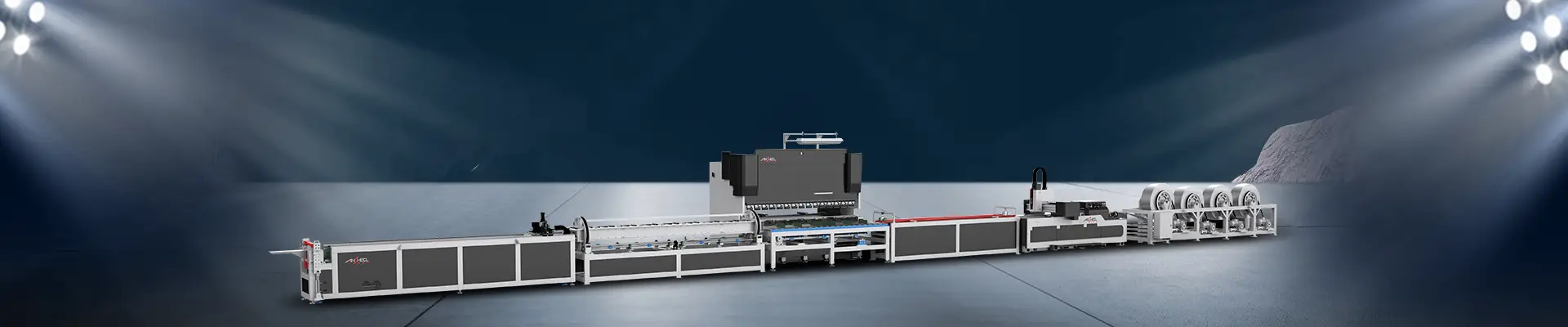

Enhancing Production Line Efficiency with Angle Iron Flange Punching Machines
Enhancing Production Line Efficiency with Angle Iron Flange Punching Machines
Introduction to Angle Iron Flange Punching Machines
In the fast-paced world of manufacturing, efficiency is paramount. One of the key components that contribute to enhanced productivity is the use of specialized machinery. **Angle iron flange punching machines** are specifically designed to streamline the manufacturing process, especially when it comes to metal fabrication. This article will delve into how these machines can significantly improve production line efficiency.
Understanding the Role of Angle Iron Flange Punching Machines
Angle iron flange punching machines play a crucial role in the manufacturing sector. They are designed to punch, shape, and form angle iron pieces, which are essential components in various applications, such as construction and automotive industries. By automating the punching process, these machines reduce manual labor and minimize human error, leading to higher precision and efficiency.
Key Features of Angle Iron Flange Punching Machines
To appreciate the benefits of angle iron flange punching machines, it is essential to understand their features.
1. High Precision and Accuracy
These machines are engineered to deliver **high precision** in every punch. Their advanced technology ensures that each hole is perfectly aligned, which is critical for maintaining quality standards in production.
2. Speed and Efficiency
Speed is a significant factor in production efficiency. Angle iron flange punching machines operate at high speeds, enabling manufacturers to produce large volumes in a fraction of the time it would take manually.
3. Versatility
These machines are not just limited to punching angle iron; they can handle various materials and thicknesses, making them versatile tools in a manufacturer’s arsenal.
4. User-Friendly Interface
Modern angle iron flange punching machines come equipped with intuitive control panels that make operation simple. This user-friendly interface reduces the learning curve for new operators and enhances productivity.
Benefits of Utilizing Angle Iron Flange Punching Machines
Integrating angle iron flange punching machines into your production line offers numerous benefits that can significantly enhance efficiency and reduce costs.
1. Cost Reduction
By automating the punching process, manufacturers can reduce labor costs and minimize waste associated with manual machining errors. Over time, the return on investment (ROI) for these machines becomes apparent.
2. Improved Production Rates
With the ability to punch multiple pieces in quick succession, these machines dramatically boost production rates. This increase in output can meet rising market demands without compromising quality.
3. Enhanced Quality Control
The precision of angle iron flange punching machines ensures that every product meets stringent quality standards. This consistency leads to higher customer satisfaction and fosters brand loyalty.
4. Streamlined Operations
The integration of these machines allows for a more streamlined production process. With fewer manual interventions required, the likelihood of operational bottlenecks diminishes.
How to Choose the Right Angle Iron Flange Punching Machine
Selecting the right angle iron flange punching machine involves several considerations that can impact your production line's efficiency.
1. Assess Production Needs
Evaluate your current production capacity and identify the specific requirements of your operations. How many pieces do you need to produce per hour? Understanding your volume needs will help you select a machine that fits your workflow.
2. Consider Material Compatibility
Not all punching machines are created equal. Ensure the machine can handle the specific types of angle iron and other materials you utilize in your production line.
3. Evaluate Speed and Efficiency
Speed is essential, but efficiency is equally important. Look for machines that offer both high-speed operation and energy efficiency to minimize operational costs.
4. Check for Additional Features
Modern machines may come with features such as automatic loading and unloading, enhanced safety mechanisms, and advanced software for programming and monitoring. These features can further improve efficiency.
Best Practices for Integrating Angle Iron Flange Punching Machines
To maximize the efficiency of your new angle iron flange punching machines, consider implementing the following best practices.
1. Regular Maintenance
Routine maintenance is vital to keep machines running smoothly. Develop a maintenance schedule that includes regular inspections, cleaning, and necessary repairs to prevent downtime.
2. Operator Training
Invest in thorough training for your operators to ensure they can maximize the machine's potential. A well-trained workforce is crucial for maintaining productivity and safety.
3. Monitor Production Metrics
Utilize software or systems that can help track production metrics. Monitoring output, waste, and downtime can provide insights into areas for improvement.
4. Implement Lean Manufacturing Principles
Adopting lean manufacturing principles alongside your new machinery can further enhance efficiency. Focus on reducing waste and improving workflow to maximize productivity.
Case Studies: Successful Implementation of Angle Iron Flange Punching Machines
Examining real-world applications of angle iron flange punching machines can provide valuable insights into their effectiveness.
1. Case Study: Automotive Industry
An automotive manufacturer integrated angle iron flange punching machines into their production line, resulting in a 30% increase in production rates. By automating the punching process, they reduced labor costs and improved overall product quality.
2. Case Study: Construction Sector
A construction company upgraded to a modern angle iron flange punching machine and reported a significant reduction in material waste. The machine's precision allowed them to produce components that required fewer adjustments, streamlining their workflow.
FAQs About Angle Iron Flange Punching Machines
1. What types of materials can angle iron flange punching machines handle?
Angle iron flange punching machines are designed to work with various metals, including steel, aluminum, and other alloys, depending on the machine’s specifications.
2. How do I know if I need an angle iron flange punching machine?
If your production line requires high volumes of punched angle iron components with precision, investing in a punching machine is advisable.
3. What maintenance is required for angle iron flange punching machines?
Regular maintenance includes cleaning, lubrication, and checking for wear and tear on components. Schedule inspections to ensure optimal performance.
4. Can I integrate these machines into an existing production line?
Yes, angle iron flange punching machines can often be integrated into existing production lines, although some adjustments may be necessary for optimal flow.
5. What is the average cost of an angle iron flange punching machine?
The cost varies widely based on features and capabilities, but investing in quality machinery often leads to significant long-term savings.
Conclusion
Incorporating angle iron flange punching machines into your manufacturing process can dramatically enhance production line efficiency. With their high precision, speed, and versatility, these machines stand out as invaluable assets in modern manufacturing. By carefully selecting the right machine and implementing best practices, manufacturers can achieve higher output rates, reduced costs, and improved product quality. The shift towards automation in the production process is not just a trend; it is a strategic move towards a more efficient and profitable future.
