WELCOME TO SHANDONG ANSHECL MACHINERY CO.,LTD OFFICIAL WEBSITE!


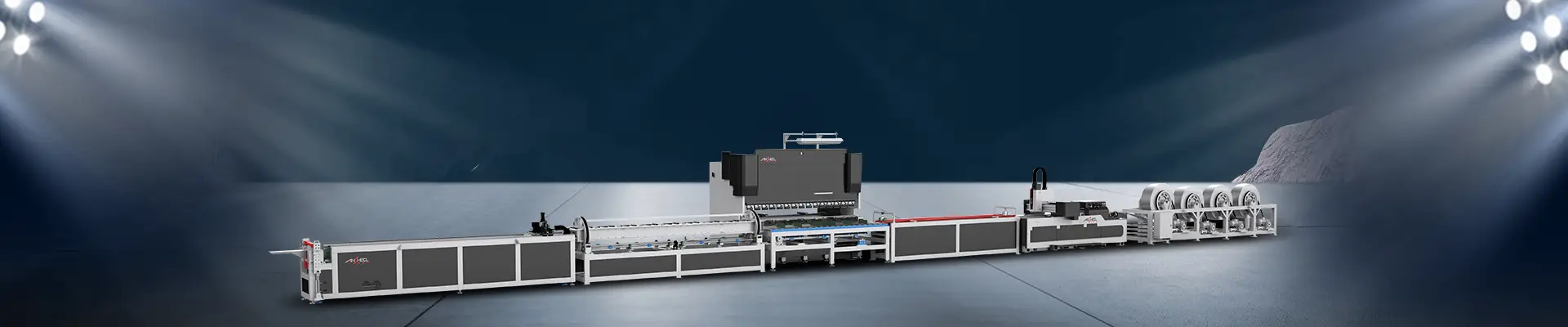

Unlocking Precision: The Benefits of a Laser Cutting Machine for Steel Plate
Unlocking Precision: The Benefits of a Laser Cutting Machine for Steel Plate
Table of Contents
- Introduction to Laser Cutting Technology
- Understanding Laser Cutting Machines
- The Benefits of Using Laser Cutting Machines for Steel Plate
- Precision and Accuracy
- Efficiency and Speed
- Cost-Effectiveness in Production
- Compatibility with Various Materials
- Applications of Laser Cutting in Industry
- The Future of Laser Cutting Machines
- Frequently Asked Questions
- Conclusion
Introduction to Laser Cutting Technology
In today's manufacturing landscape, **laser cutting machines** are revolutionizing how industries approach metal fabrication. Particularly for **steel plate cutting**, this technology offers unparalleled precision and efficiency. As industries strive for greater productivity and quality, understanding the profound benefits of laser cutting machines becomes essential.
Understanding Laser Cutting Machines
Laser cutting machines utilize focused beams of light to melt, burn, or vaporize materials. This process involves several components, including the laser source, optics system, and the cutting head. The intensity and focus of the laser beam allow for intricate designs and patterns that traditional cutting methods cannot achieve.
**Types of Laser Cutting Technologies**:
- **CO2 Lasers**: Ideal for non-metal materials but can also cut thicker metal plates.
- **Fiber Lasers**: Highly efficient for cutting metal, particularly steel, due to their ability to focus energy effectively.
- **Nd:YAG Lasers**: Used for precise cutting and can be effective for smaller jobs.
Each type has its unique advantages, but fiber lasers are increasingly preferred for steel cutting due to their speed and efficiency.
The Benefits of Using Laser Cutting Machines for Steel Plate
Laser cutting technology offers multiple benefits that enhance manufacturing processes, particularly when working with steel plates.
Precision and Accuracy
One of the most significant advantages of laser cutting machines is their **unmatched precision**. The focused laser beam can achieve tolerances of up to ±0.1 mm, making it possible to produce intricate designs with consistent accuracy. This high level of precision minimizes waste and ensures that each component fits perfectly within the larger assembly.
**Applications**:
- **Complex geometries**: Ability to create detailed shapes that traditional methods struggle with.
- **Thin to thick plate cutting**: Effective across a wide range of thicknesses, ensuring versatility.
Efficiency and Speed
Laser cutting machines operate at remarkable speeds, allowing manufacturers to complete projects faster than with conventional methods. This efficiency translates to a higher output rate, which is essential for meeting market demands.
**Time Savings**:
- **Faster setup**: Laser cutting requires minimal setup time compared to mechanical cutting.
- **Continuous operation**: Capable of running continuously with minimal downtime for maintenance.
Cost-Effectiveness in Production
While the initial investment in a laser cutting machine may be high, the long-term savings are substantial. The efficiency and precision of laser cutting reduce waste material, lower labor costs, and decrease production time.
**Key Factors**:
- **Lower operational costs**: Reduced need for secondary operations such as deburring and finishing.
- **Material savings**: Precision cuts mean less scrap material, contributing to overall cost savings.
Compatibility with Various Materials
Although primarily known for cutting steel plates, laser cutting machines are compatible with various materials, including aluminum, brass, and plastics. This flexibility allows manufacturers to diversify their offerings without investing in multiple cutting technologies.
**Material Diversity**:
- **Metals**: Steel, aluminum, stainless steel, and more.
- **Non-metals**: Wood, acrylic, and fabric.
Applications of Laser Cutting in Industry
Laser cutting machines find application across various sectors, showcasing their versatility and effectiveness.
1. Automotive Industry
In the automotive sector, laser cutting is used for creating precision parts such as brackets, panels, and frames. The ability to produce complex shapes quickly makes it a preferred choice.
2. Aerospace Industry
The aerospace sector demands the highest precision; thus, laser cutting is integral for manufacturing essential components like turbine blades and fuselage panels.
3. Metal Fabrication
Metal fabrication companies rely heavily on laser cutting for producing custom parts and prototypes efficiently, allowing for quick iterations and adjustments.
4. HVAC Industry
Laser cutting is widely used to create ductwork and fittings in the HVAC industry, ensuring that components fit together seamlessly.
The Future of Laser Cutting Machines
The evolution of laser cutting technology continues to advance, with innovations promising even greater precision, speed, and adaptability. Emerging trends include:
- **Automation**: Integration with robotics for automated cutting processes.
- **Software advancements**: Enhanced design software that optimizes cutting patterns for increased efficiency.
- **Sustainability**: Development of eco-friendly laser cutting technologies that minimize energy consumption and waste.
These advancements position laser cutting machines as vital for the future of manufacturing, ensuring they remain at the forefront of industry innovation.
Frequently Asked Questions
1. What thickness of steel can a laser cutting machine handle?
Laser cutting machines can handle various thicknesses, often up to 25 mm for mild steel and more for specialized applications with higher-powered lasers.
2. How does laser cutting compare to traditional methods?
Laser cutting offers greater precision, speed, and flexibility compared to traditional methods, resulting in lower overall production costs and less material waste.
3. Are there specific maintenance requirements for laser cutting machines?
Regular maintenance includes cleaning optics, checking laser alignment, and ensuring proper cooling. Following the manufacturer's guidelines will ensure optimal performance.
4. Can laser cutting machines be programmed for complex designs?
Yes, laser cutting machines can be programmed with CAD software to create intricate designs, making them ideal for custom fabrication projects.
5. What safety measures are necessary when operating a laser cutting machine?
Operators should wear protective eyewear, ensure proper ventilation, and follow all safety protocols to minimize risks associated with laser cutting processes.
Conclusion
The benefits of using a laser cutting machine for steel plate applications are undeniable. From exceptional precision and efficiency to significant cost savings, the advantages are vast. As industries continue to innovate and seek ways to enhance productivity, laser cutting technology stands out as a cornerstone of modern manufacturing. Adopting this technology not only elevates production capabilities but also positions businesses for success in a competitive marketplace. Embracing the future of laser cutting is essential to unlocking new possibilities in steel fabrication.
