WELCOME TO SHANDONG ANSHECL MACHINERY CO.,LTD OFFICIAL WEBSITE!


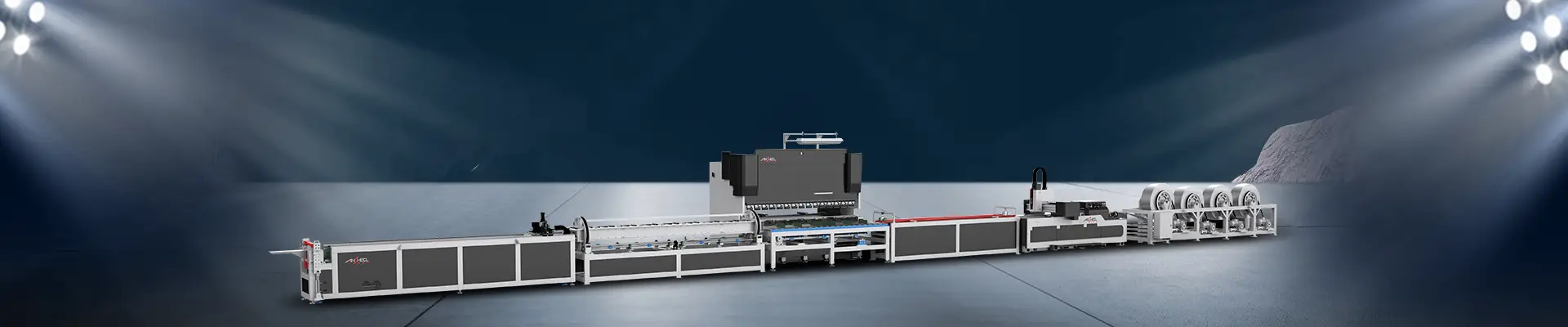

Comparative Analysis: Angle Iron Flange Punching Machines vs. Traditional Methods
Comparative Analysis: Angle Iron Flange Punching Machines vs. Traditional Methods
Table of Contents
- 1. Introduction to Punching Techniques
- 2. Understanding Angle Iron Flange Punching Machines
- 3. Traditional Punching Methods: An Overview
- 4. Efficiency Comparison: Angle Iron vs. Traditional Methods
- 5. Cost Analysis: Investment vs. Returns
- 6. Technological Advancements in Punching
- 7. Application Scenarios: Choosing the Right Method
- 8. Frequently Asked Questions
- 9. Conclusion
1. Introduction to Punching Techniques
In the realm of manufacturing and processing, the methods used for metalworking can significantly impact productivity, cost, and overall quality. As industries evolve, so do the technologies that facilitate these processes. This comparative analysis focuses on **angle iron flange punching machines** and **traditional methods**, highlighting their respective advantages and limitations.
2. Understanding Angle Iron Flange Punching Machines
Angle iron flange punching machines are specialized devices designed to create precise holes in angle iron materials. These machines utilize hydraulic or mechanical systems to exert force, ensuring high-speed punching operations. The main features of angle iron flange punching machines include:
2.1 Precision Engineering
These machines offer enhanced accuracy, reducing the margin for error. Users can achieve consistent hole placements, which is crucial for **fabrication processes**.
2.2 Speed and Efficiency
With capabilities to punch multiple holes in rapid succession, angle iron flange punching machines significantly reduce processing time compared to traditional methods. This efficiency translates to higher productivity levels.
2.3 Versatility
Modern punching machines can accommodate various material thicknesses and sizes, providing flexibility for different projects. Whether dealing with light or heavy gauge materials, these machines can adapt to various demands.
3. Traditional Punching Methods: An Overview
Traditional punching methods primarily involve manual or semi-automated processes that have been used for decades. These methods include:
3.1 Manual Punching
This process involves using hand-held tools to create holes. While it is cost-effective, it demands a significant amount of labor and is prone to human error.
3.2 Mechanical Presses
Mechanical presses are more advanced than manual tools but less efficient than modern punching machines. They require a setup for each job, leading to longer downtime.
3.3 Limitations of Traditional Methods
Traditional methods are often hindered by slower production speeds, lower accuracy, and difficulty in handling large volumes of work. As industries strive for efficiency, these limitations become more pronounced.
4. Efficiency Comparison: Angle Iron vs. Traditional Methods
When evaluating efficiency, angle iron flange punching machines excel in several areas:
4.1 Time-Consuming Processes
Traditional methods often involve multiple steps, resulting in longer lead times. In contrast, modern machines punch multiple holes simultaneously, drastically reducing operational time.
4.2 Waste Reduction
Precision punching minimizes material waste. Traditional methods, with their dependency on manual handling, often lead to inaccuracies that result in scrap materials.
5. Cost Analysis: Investment vs. Returns
Investing in modern punching machines can seem daunting at first. However, a closer look reveals the long-term benefits:
5.1 Initial Costs
Angle iron flange punching machines require a higher initial investment compared to traditional tools. However, this cost is offset by increased productivity and reduced labor costs.
5.2 Long-Term Savings
The efficiency of modern machines leads to faster turnaround times, allowing companies to take on more projects. This increase in output translates to higher revenue streams over time.
5.3 Maintenance Considerations
While traditional methods often require consistent manual maintenance, modern machines tend to have lower maintenance needs due to their robust design and automation capabilities.
6. Technological Advancements in Punching
Technological innovations have pushed the boundaries of what is possible in metalworking:
6.1 Automation and Control Systems
Many angle iron flange punching machines now come equipped with advanced automation features, allowing for programmable operations that enhance efficiency.
6.2 Smart Technologies
Integration of IoT (Internet of Things) in modern machines allows for real-time monitoring, predictive maintenance, and remote control, providing an unprecedented level of operational oversight.
6.3 Software Integration
Modern punching machines often feature software that aids in design and planning, allowing for quick adjustments based on project specifications without significant downtime.
7. Application Scenarios: Choosing the Right Method
Choosing between angle iron flange punching machines and traditional methods depends on various factors:
7.1 Volume of Production
For high-volume production, angle iron flange punching machines are the clear choice. For low-volume or custom jobs, traditional methods may suffice.
7.2 Type of Material
Different projects require different materials. Understanding the thickness and type of material you’re working with can help determine the most suitable method.
7.3 Budget Constraints
Consideration of initial investment versus long-term savings is crucial. Organizations with tighter budgets might lean towards traditional methods initially but should weigh potential efficiency gains.
8. Frequently Asked Questions
8.1 What is the main advantage of angle iron flange punching machines over traditional methods?
The primary advantage is the **superior speed and efficiency** these machines provide, allowing for mass production with reduced errors.
8.2 Are angle iron flange punching machines more expensive to maintain?
Generally, no. While the initial cost is higher, their advanced design often results in lower maintenance requirements and costs in the long run.
8.3 Can angle iron flange punching machines handle different materials?
Yes, modern machines are designed to work with various materials and thicknesses, making them versatile for different applications.
8.4 How do I choose between manual and automated punching methods?
The choice depends on your production volume, budget, and required precision. High-volume production typically favors automation.
8.5 What industries benefit from using angle iron flange punching machines?
Industries such as construction, automotive, and metal fabrication benefit greatly from the speed and accuracy of modern punching machines.
9. Conclusion
The comparison between angle iron flange punching machines and traditional methods reveals a clear trend towards automation and efficiency in the manufacturing sector. As industries continue to seek ways to enhance productivity while minimizing costs, the advantages of modern machines become increasingly evident. By understanding the intricacies of each method, businesses can make informed decisions that align with their operational goals and improve their overall output in the competitive market. Embracing **technological advancements** in punching systems not only paves the way for better practices but also fosters long-term sustainability within the industry.
